Volcanoes of Guatemala: Which Ones to Visit?
Guatemala is renowned for its 'eternal spring,' but above all, for its remarkable geological richness.
Guatemala is renowned for its 'eternal spring,' but above all, for its remarkable geological richness. Home to the splendid mountain range Sierra Madre of Chiapas, this third country of Central America is home to numerous volcanoes, some of which are recognized for their spectacular eruptions! At turns dangerous or easily accessible, they form an exceptional natural heritage – ideal for trekking! Join us in Maya land and discover the volcanoes of Guatemala you absolutely must see.
Tajumulco Volcano: The Summit of Central America
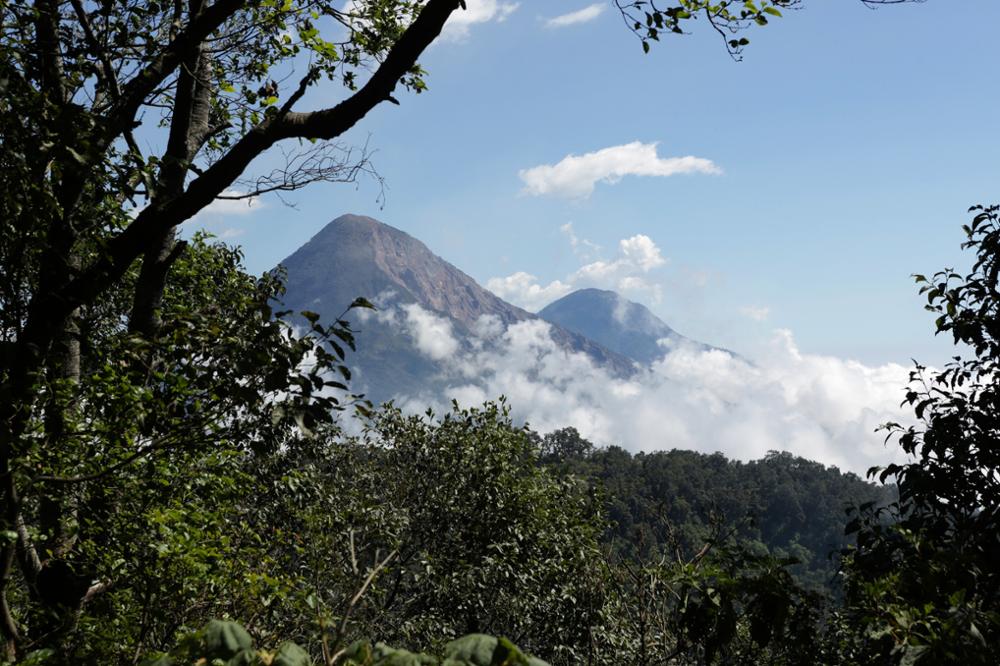
Tajumulco Volcano is located southwest of San Marcos, in a rarely visited area of Guatemala. With its two towering peaks (Cerro Concepción at 4,100 meters and Tajumulco at 4,220 meters), it promises unforgettable hikes into pristine nature. The main trail (approximately 3 hours of walking) allows you to climb easily to 3,600 meters altitude.
For the ascent of this 'dormant volcano' – its last eruption dates back to 1893 – pack warm clothing even in fair weather, as conditions change quickly. Also bring sunscreen (the trail is particularly exposed to the sun). Once at the summit, you'll enjoy a 360° view of the Sierra Madre of Chiapas!
Practical Information
Altitude: 4,220 meters
Difficulty Level: Difficult to very difficult (approximately 5 hours of hiking)
How to Get There: Trail departure at the hamlet of Tuichán (14 kilometers from San Marcos city).
Pacaya Volcano: One of Guatemala's Must-See Volcanoes
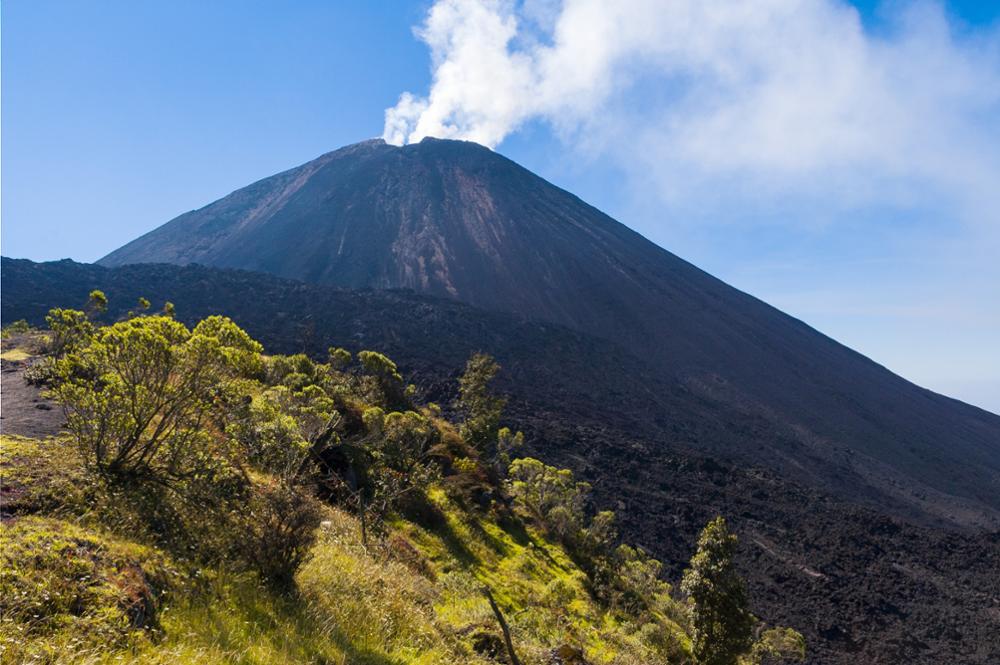
In southern Guatemala rises the majestic Pacaya Volcano. After decades of slumber, this giant awakened in 1961. Since then, volcanic eruptions have occurred regularly. Drawn by the beauty of this natural spectacle, visitors from around the world scramble to observe it up close… But approaching an active volcano is not without risk. Thus, ascents are always guided.
Easily accessible, the volcano is reached after approximately 1.5 hours of walking. Note that while the route is somewhat steep (400 meters of elevation gain), it doesn't require you to be a seasoned athlete. A tip? Leave early in the morning to enjoy a clear view of the valley – and avoid other hiking groups. Once you arrive, you can admire the fumaroles, while the more adventurous can roast a marshmallow on the warm earth!
Practical Information
Altitude: 2,552 meters
Difficulty Level: Easy (and family-friendly). Allow 1.25 to 2 hours of walking.
How to Get There: Departing from the city of Antigua
Price: $7 per person
Fuego Volcano: The Most Active in the Sierra Madre of Chiapas
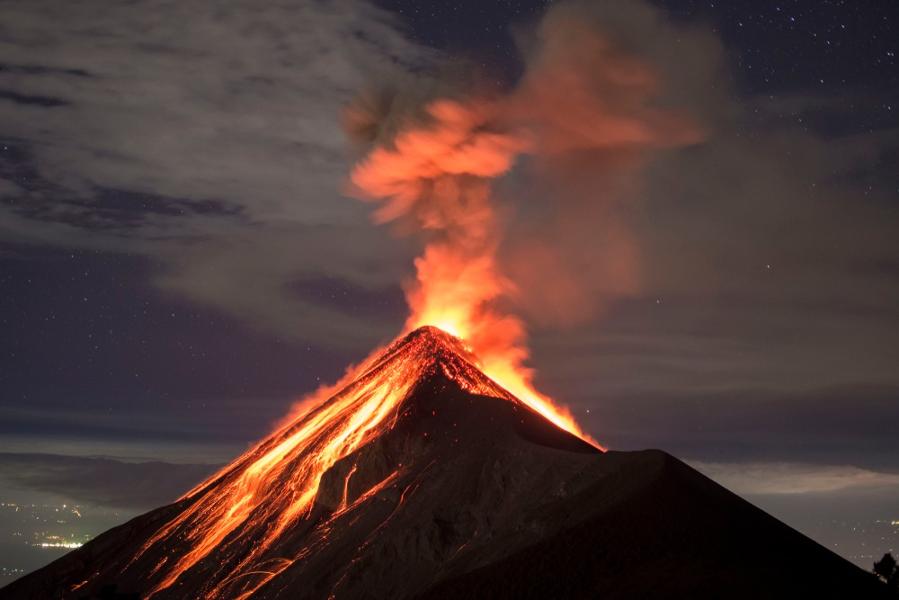
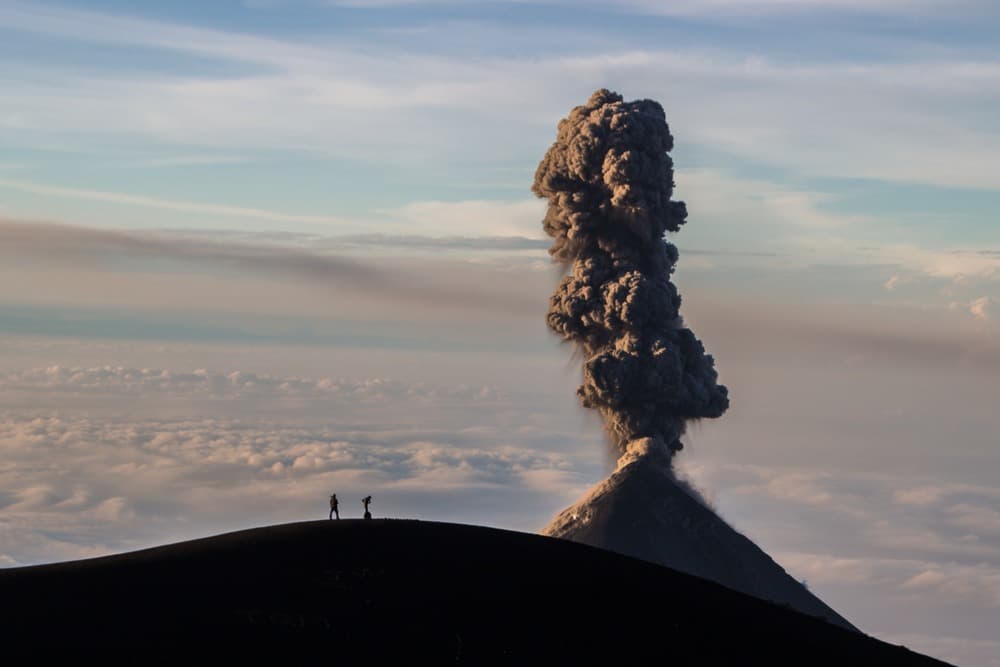
Located in the heart of the Sierra Madre of Chiapas mountain range, Fuego Volcano is one of the most active in Central America. In constant activity, it is known for the violence of its eruptions (in July 2022, its pyroclastic flows reached 6 kilometers in altitude)! Renowned for belching mostly ash, Fuego also sometimes spews lava flows.
The best spot to observe it? Acatenango Volcano. Situated opposite, it offers a breathtaking view of Fuego's eruptions! During inactive periods, it's possible to trek on the aptly named 'fire volcano.' However, its ascent (approximately 5 hours) is very challenging. Only experienced hikers can attempt this adventure.
Practical Information
Altitude: 3,765 meters
Difficulty Level: Very difficult. Its observation spot on Acatenango Volcano is much more accessible…
Acatenango Volcano: An Essential Observation Point
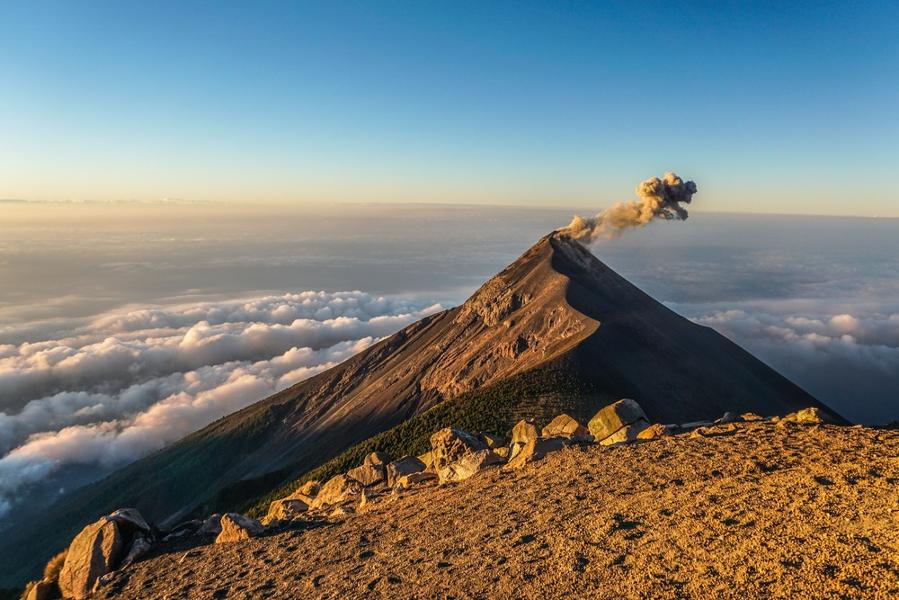
While Acatenango Volcano often serves as an observation post, it is also, in itself, an essential attraction. With nearly 4,000 meters of altitude, it ranks among Guatemala's highest volcanoes and delights trekkers. Much easier than climbing Fuego, it nonetheless requires good physical fitness. To reach the summit, you'll need to climb for 5 or 6 hours, sometimes with 1,200 meters of elevation gain. It's advisable to complete the ascent over two days, with a night in a camp.
Practical Information
Altitude: 3,976 meters
Difficulty Level: Difficult
How to Get There: This excursion is offered by many local hotels, but it's also possible to go directly to the base of the volcano in search of a guide. Solo hiking is possible (though not recommended).
Price: From $45 if booked through a hotel
San Pedro Volcano: The Most Dangerous
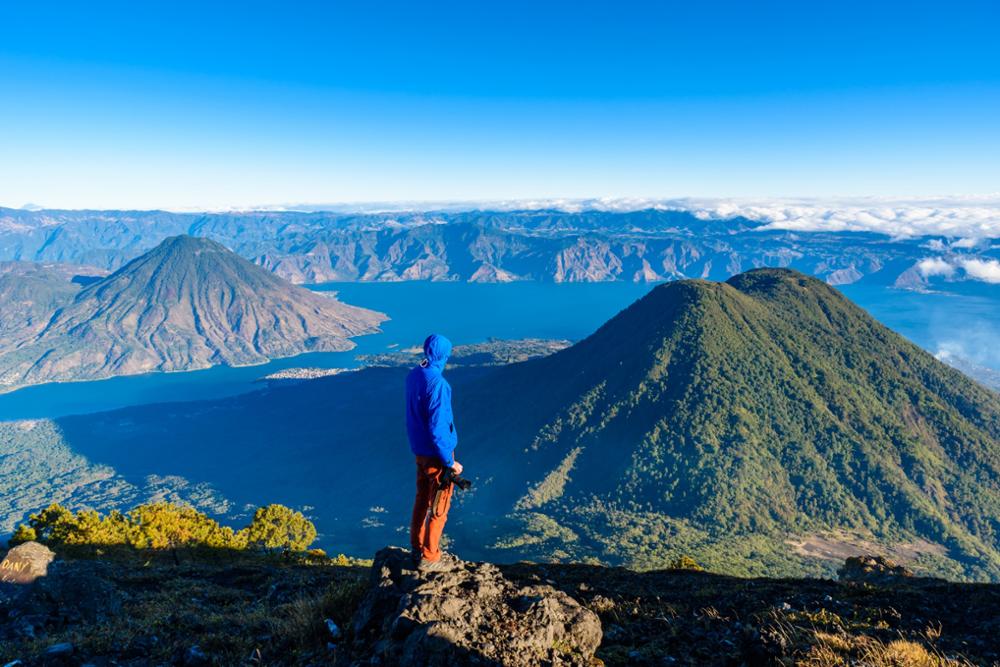
Located on the shores of Lake Atitlán, San Pedro Volcano towers over the charming village of the same name. While ascents to approach the volcano are possible, they are not recommended without a guide. Indeed, this natural treasure is unfortunately plagued by armed men who regularly rob tourists of their possessions… So, prioritize a guided visit – and avoid bringing valuable items like a camera.
Aside from this drawback, climbing San Pedro Volcano is a pure pleasure for hiking enthusiasts. Without major technical difficulties, this trek nonetheless requires good physical fitness. After crossing cornfields and coffee plantations, you'll reach the jungle.
Practical Information
Altitude: 3,020 meters
Difficulty Level: Moderate (3 to 5 hours of hiking)
How to Get There: To reach the trailhead, you can rent a tuk-tuk (5 to 10 minutes of travel). Otherwise, allow approximately 20 minutes of walking from San Pedro village.
Price: $20
During your trip to Guatemala, take advantage of the multi-activity opportunities offered in Maya land! In addition to climbing the finest peaks, you'll discover the joys of kayaking on Lake Atitlán or the beauty of the Mayan archaeological site of Iximche…
Frequently asked questions
Pacaya Volcano is the most accessible for non-athletes. Located near Antigua, it can be climbed in 1.25 to 2 hours of walking with only 400 meters of elevation gain. Its ascent is even family-friendly. Expect to pay about $7 per person for access.
Yes, Fuego Volcano, one of Central America's most active, regularly produces lava flows and pyroclastic flows. The best place to observe it safely is from the summit of Acatenango Volcano, located directly opposite.
The dry season, from November to April, is ideal for hiking Guatemala's volcanoes. The sky is clearer, offering better panoramic views. During the rainy season (May to October), trails can be slippery and visibility reduced.
For most Guatemalan volcanoes, a guide is strongly recommended, sometimes mandatory. Pacaya Volcano, for example, requires a guide due to its activity. For San Pedro Volcano, a guide is essential for safety reasons related to the presence of criminals on the trail.
Tajumulco Volcano is Guatemala's highest at 4,220 meters, and also the highest peak in Central America. Located in the San Marcos region, its ascent is difficult to very difficult and requires approximately 5 hours of hiking.
Acatenango Volcano is accessible from Antigua through numerous agencies and hotels that organize guided excursions over two days. It's also possible to travel directly to the volcano's base by shuttle and find a guide on site. Prices for a hotel-organized excursion start from $45.