Guatemala's Most Beautiful Beaches
Bordered by the Caribbean Sea or the Pacific Ocean, Guatemala's beaches are renowned for their stretches of black sand.
Bordered by the Caribbean Sea or the Pacific Ocean, Guatemala's beaches are renowned for their stretches of black sand. Popular or secluded, nestled in fishing villages or within beach resorts: discover the most beautiful beaches for swimming in Guatemala – where to surf and snorkel…
El Paredon: one of Guatemala's most beautiful beaches
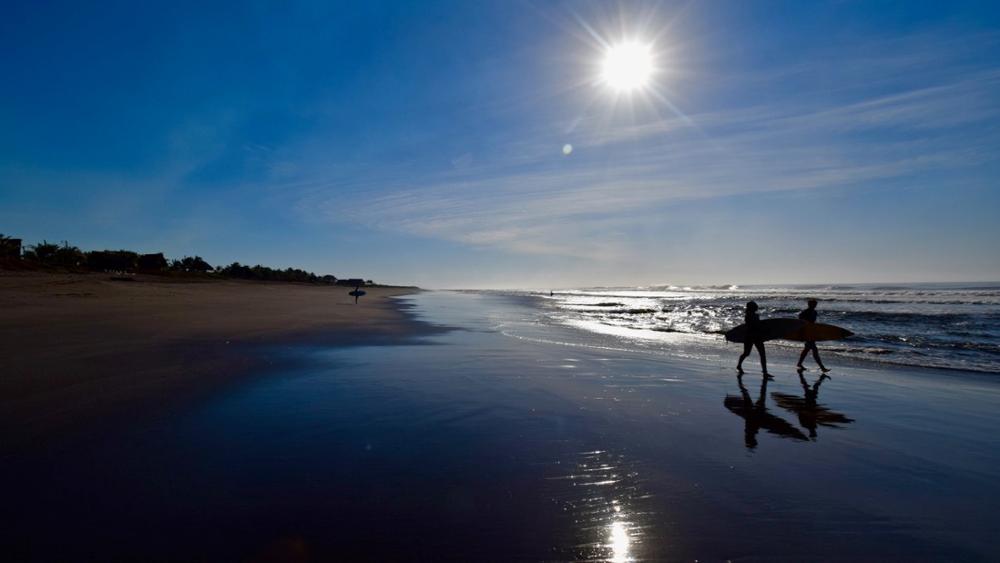
Known for its turbulent waters, El Paredon beach is an unmissable spot for surfing. Thanks to the numerous schools located around the beach, this paradise is accessible to both experienced and beginner surfers. Each year, surfing competitions are held here. This small fishing village (renowned for its seafood restaurants) is, moreover, located just steps away from the splendid Sipicate-Naranjo national park.
Activities: surfing
Beach safety: swimming is not advised due to strong currents. If you do swim, don't venture far from the shore.
Monterrico: the turtle beach
Located in the western part of the country, Monterrico beach is renowned for its famous stretch of black sand, as well as for its very powerful waves, which surfers love. More than just a holiday destination: Monterrico is also a beach located within a nature reserve, where thousands of turtles breed each year, between July and early October!
Activities: surfing, volleyball (in the late afternoon, many locals come to play on the beach)
Beach safety: if you're a surfer, watch out for currents that can be very strong. If you only want to swim, this beach is not ideal. For safety, stick to wading in the shallow water.
Playa Champerico: Guatemala's best surf spot
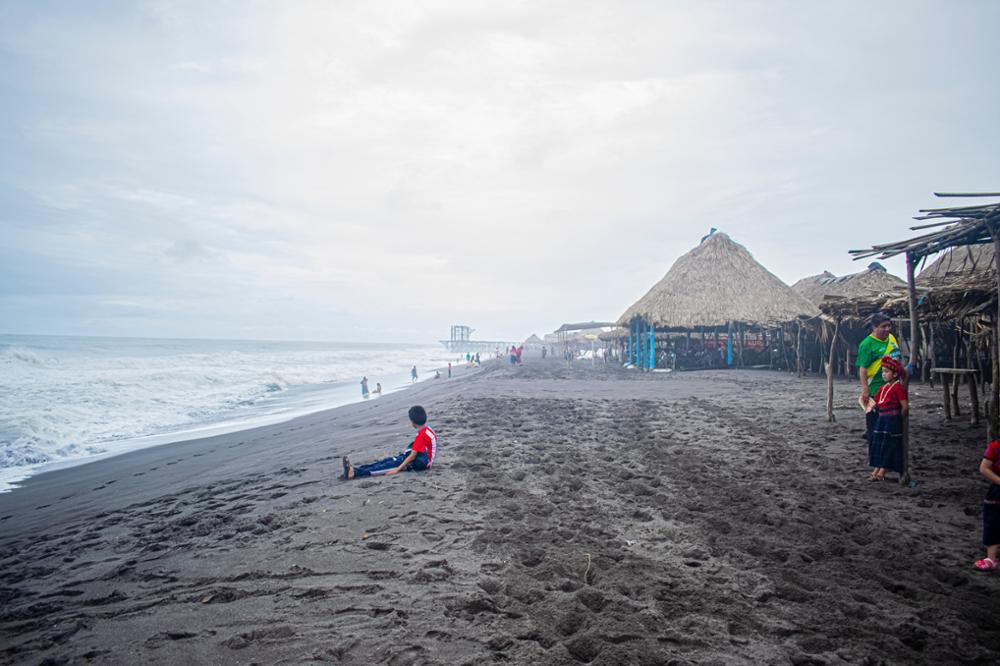
Called Campe by locals, Champerico beach is considered one of the country's best surf spots. Not very touristy, it is mainly frequented by local surfers and experienced wave riders. Its particularity? Its pier, which seems to jut out into the Pacific Ocean!
Main activity: surfing
Puerto San José: the beach for swimming in Guatemala
Much better known and more popular, Puerto San José beach is very lively. Lined with bars and restaurants, this beach is also ideal for moments of relaxation, or family time by the water. Off the coast of this sublime black sand beach, you can observe dolphins and whales during a boat excursion.
Activities: swimming, boat excursions
Beach safety: a beach with calm waters, ideal for swimming
Iztapa: the beach preserved from tourism
Are you an experienced surfer? Head to Playa Iztapa! Located 30 minutes from Puerto San José, this beautiful black sand beach is frequented for its waves, particularly between March and April, when they exceed 10 feet high! Not very touristy, this fishing village is also an ideal place to live at the pace of the locals, and taste the local gastronomy.
Activities: surfing, fishing, dolphin and whale watching off the coast of the beach
Playa Quehueche: a wild black sand beach
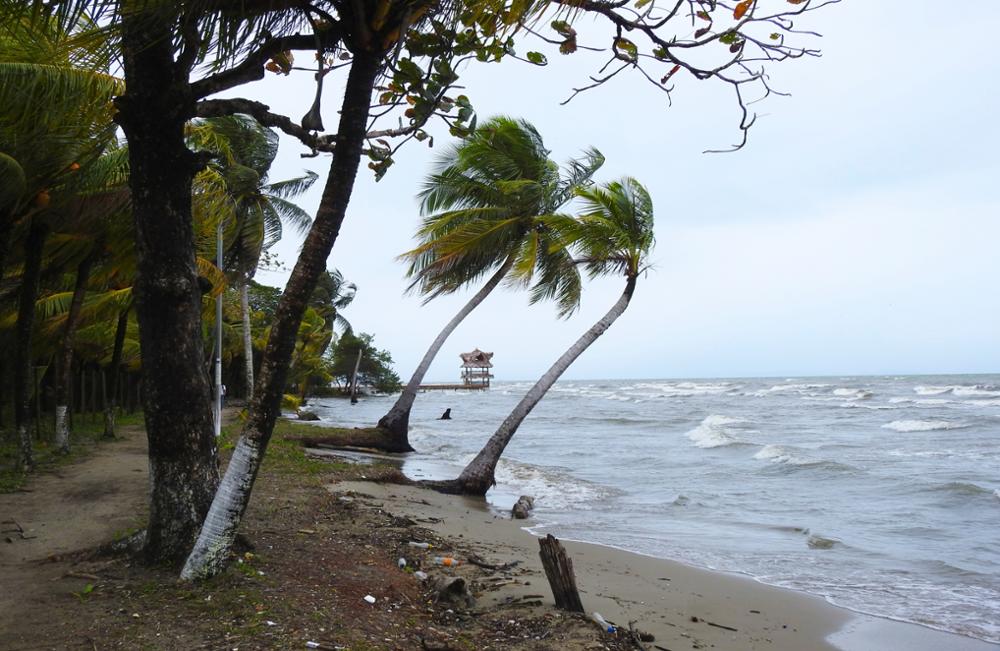
Located near Livingston, Quehueche beach is a very wild playa, ideal for swimming. Appreciated for its beachfront bars, it is also a starting point for hikes to the Siete Altares – the seven waterfalls with crystal-clear waters, surrounded by lush forests.
Activities: swimming, hiking and waterfalls
Playa Blanca: the beach for snorkeling
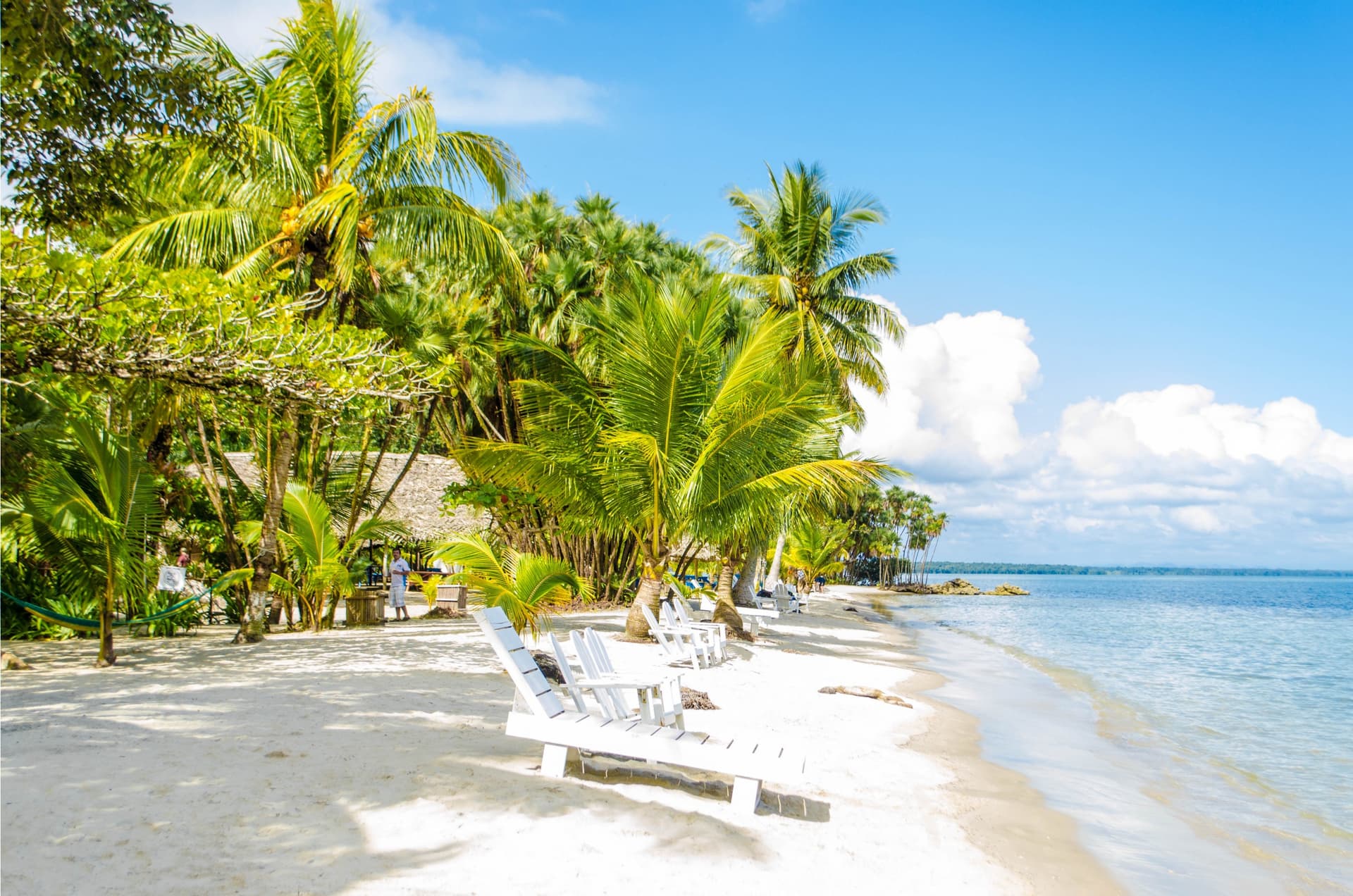
Recognizable by its long stretch of white sand, Playa Blanca is ideal for snorkeling – an activity fairly rare in Guatemala due to the country's turbulent waters. Its other particularity? This beach is accessible only by sea!
To discover it, you will need to board a lancha (a traditional boat) from Livingston. This excursion, of about 45 minutes, is also an opportunity to discover the Siete Altares (stops are often offered during the crossing).
Note that Playa Blanca is a paid beach. Plan for 20 quetzals (this modest sum helps maintain the beach).
Activities: snorkeling, swimming, boat excursion, stop at the Siete Altares
Punta Manabique: the isolated beaches
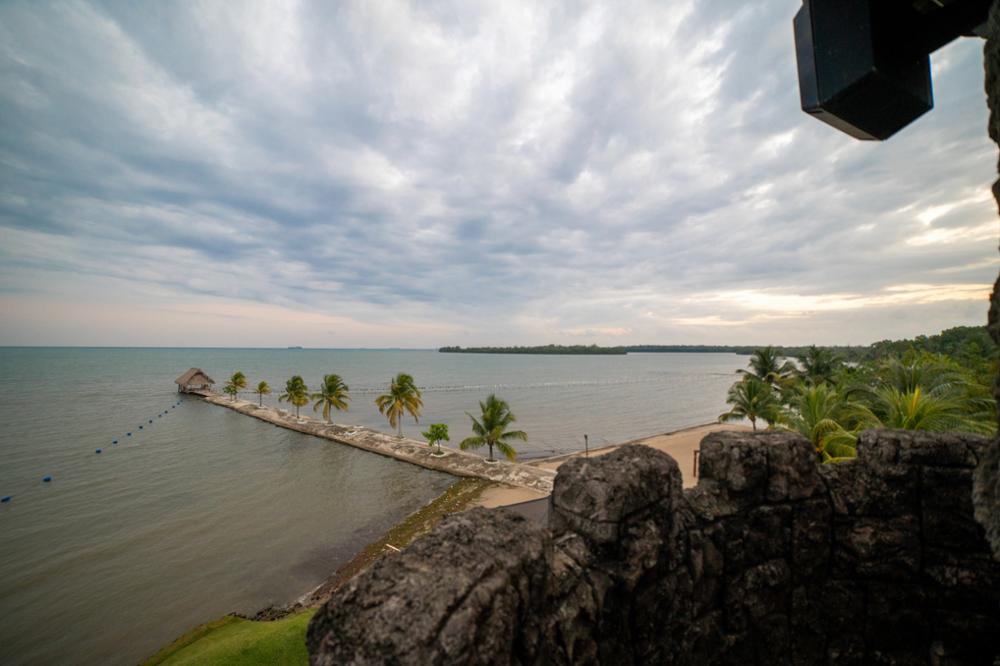
Facing Livingston, you will find the peninsula of Punta Manabique, which separates the Gulf of Honduras and Amatique Bay. Classified as a nature reserve in 1999, this part of Guatemala is home to exceptional fauna and flora, as well as immaculate beaches with wild beauty…
These beaches, fairly difficult to access, form a small paradise away from the crowds, ideal for reconnecting with nature. As it is a protected area, certain zones can only be visited with a guide.
Activities: swimming, canoeing, hiking
What is the best time to enjoy Guatemala's beaches? The driest and sunniest periods are between February and December (these are also the most touristy periods). For surfers, the best period is June to October, due to strong swell. |
Frequently asked questions
El Paredon is considered the best beach to learn to surf in Guatemala. This fishing village has many surf schools accessible to both beginners and experienced surfers, and even hosts competitions each year.
Yes, Puerto San José is the most recommended beach for family swimming, thanks to its calm waters. Quehueche beach, near Livingston, is also suitable for swimming. On the other hand, beaches like Monterrico or El Paredon are not recommended for swimming due to strong currents.
Monterrico beach is the ideal place to see sea turtles in Guatemala. Located within a nature reserve, it welcomes thousands of turtles that come to breed between July and early October each year.
Playa Blanca is only accessible by sea. You must board a lancha (traditional boat) from Livingston for a crossing of approximately 45 minutes. Beach entry is paid (20 quetzals) to finance its maintenance.
The sunniest and driest periods extend from February to December, ideal for enjoying the beaches. Surfers will prefer the June to October period, when the swell is strongest. Note that this is also the high tourist season.
Yes, Guatemala benefits from a double maritime coast. In the west, Pacific beaches (El Paredon, Monterrico, Champerico, Puerto San José, Iztapa) are characterized by their volcanic black sand and powerful waves. In the east, Caribbean Sea beaches (Playa Blanca, Quehueche, Punta Manabique) offer a wilder and more preserved atmosphere.