Guatemala's Most Beautiful National Parks
Lush forests and jungles, majestic volcanoes, turquoise-colored lakes, archaeological sites of Mayan civilization...
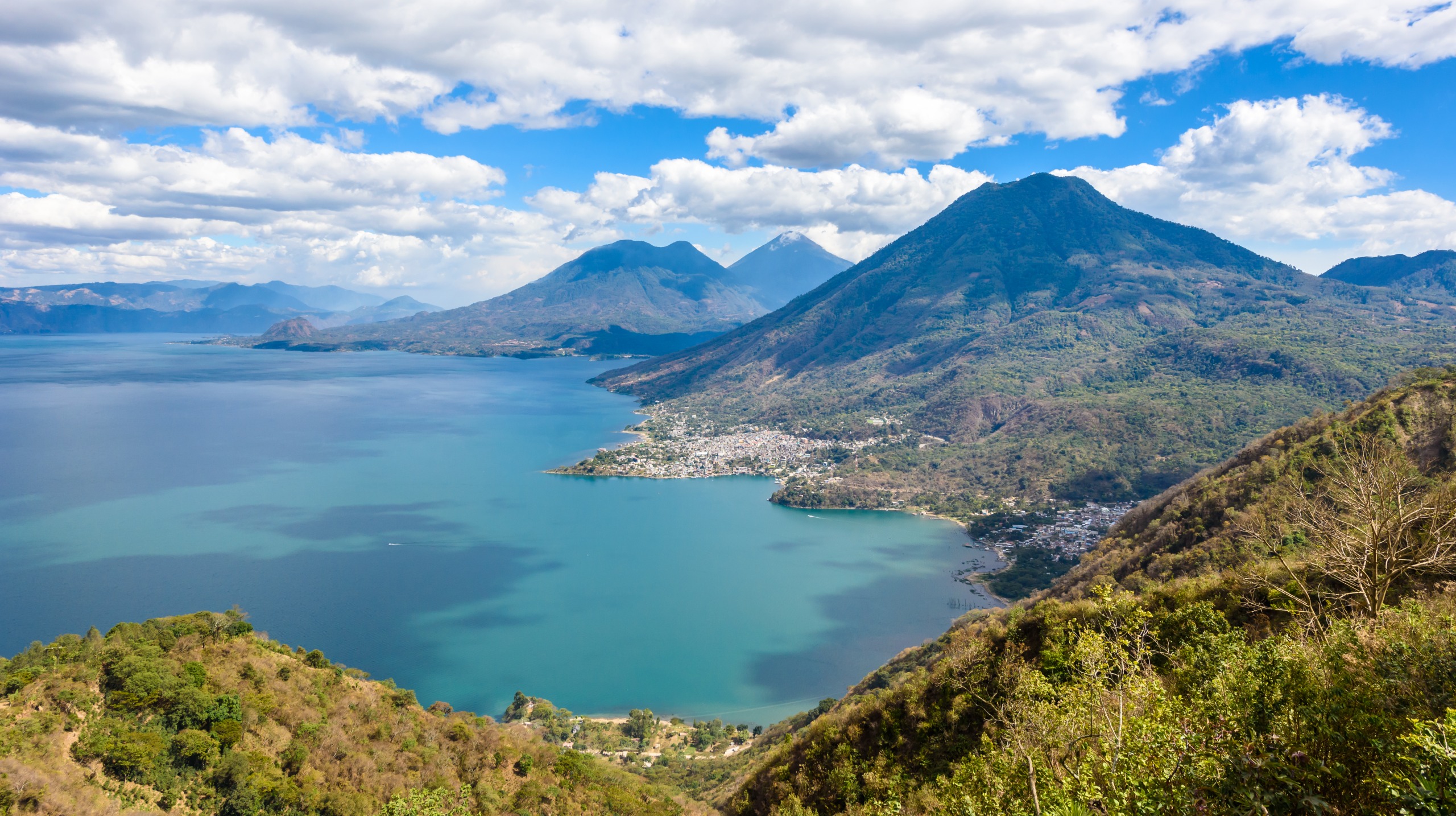
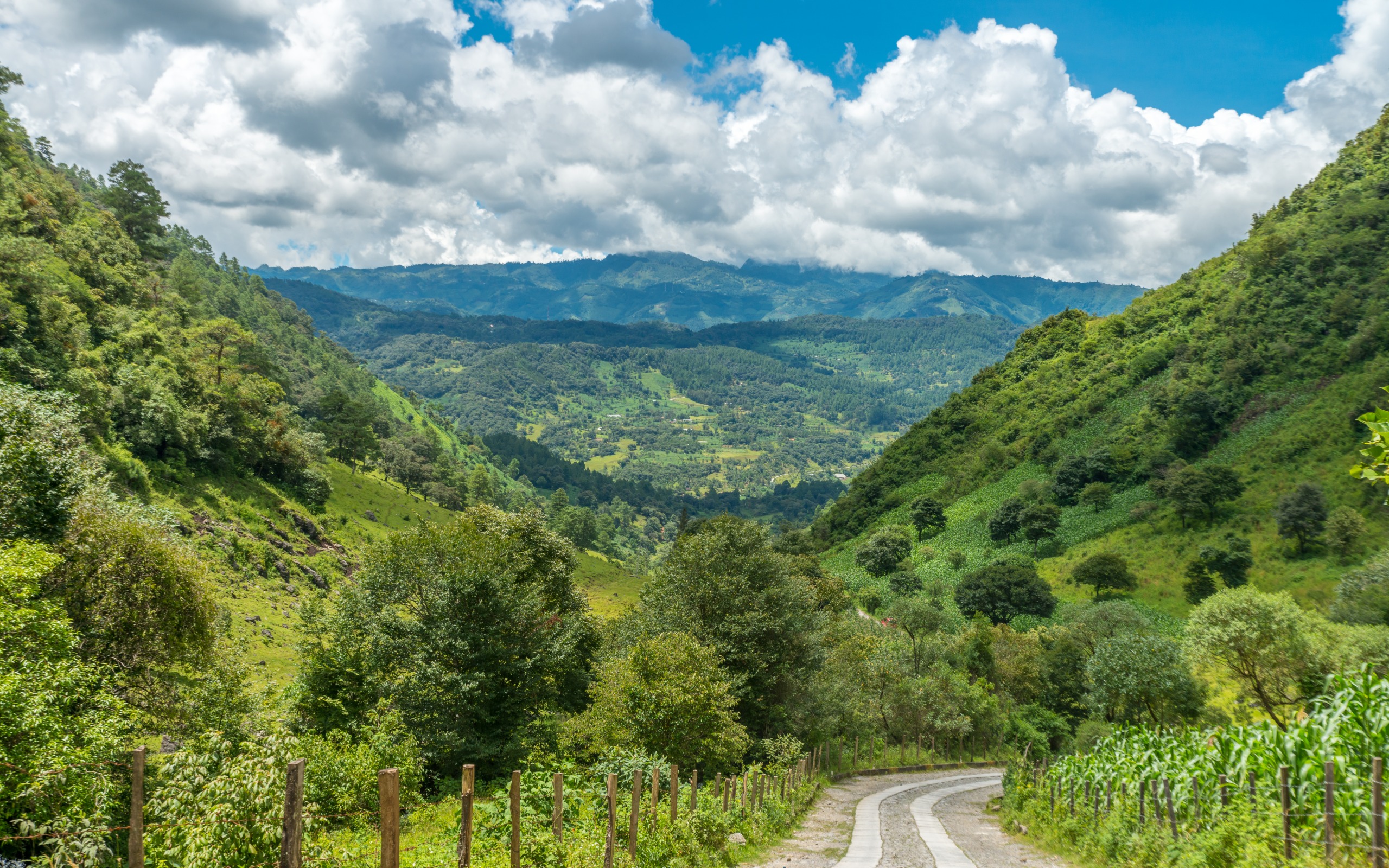
Lush forests and jungles, majestic volcanoes, turquoise-colored lakes, archaeological sites of Mayan civilization... The diverse and varied landscapes of Guatemala make it an unmissable destination for adventure enthusiasts and nature lovers. To discover the natural treasures of the country, head to the national parks and here is our selection of favorites.
Tikal National Park

Created in 1955, Tikal National Park is Guatemala's first national park. The site is primarily known for harboring an archaeological treasure of inestimable value: the ruins of Tikal. These ruins are to Guatemala what the great pyramids are to Egypt—a source of national pride and a symbol.
Located in the heart of a lush jungle, in the Petén region in the northern part of the country, the ruins of Tikal constitute one of the most beautiful Mayan ruins to discover in Guatemala and one of the most celebrated archaeological sites in all of Central America.
The city is believed to have originated in the 4th century B.C. However, it reached its peak between 200 and 900 A.D., when it was one of the most powerful kingdoms of Mayan civilization. It was notably a major political, economic, and commercial center as well as a ceremonial site of importance for the Maya. Today, one can still glimpse the grandeur of this ancient kingdom through its vestiges, which include temples, palaces, pyramids, and burial sites...
Beyond the Mayan ruins, Tikal National Park appeals to nature lovers. Covering an area of 57,600 hectares, the site contains a rich biodiversity. During a hike through the park, you may encounter exceptional vegetation and cross paths with wild animals such as howler monkeys, toucans, parrots, and coatis...
As a fun fact: the park was chosen as a filming location for Star Wars, Episode IV: A New Hope (1977).
Practical Information:
Hours: Tikal National Park is open daily for visits from 6:00 a.m. to 5:00 p.m.
Admission fees:
150 Q per adult;
250 Q for a sunrise visit;
Free for children under 12.
Rio Dulce National Park

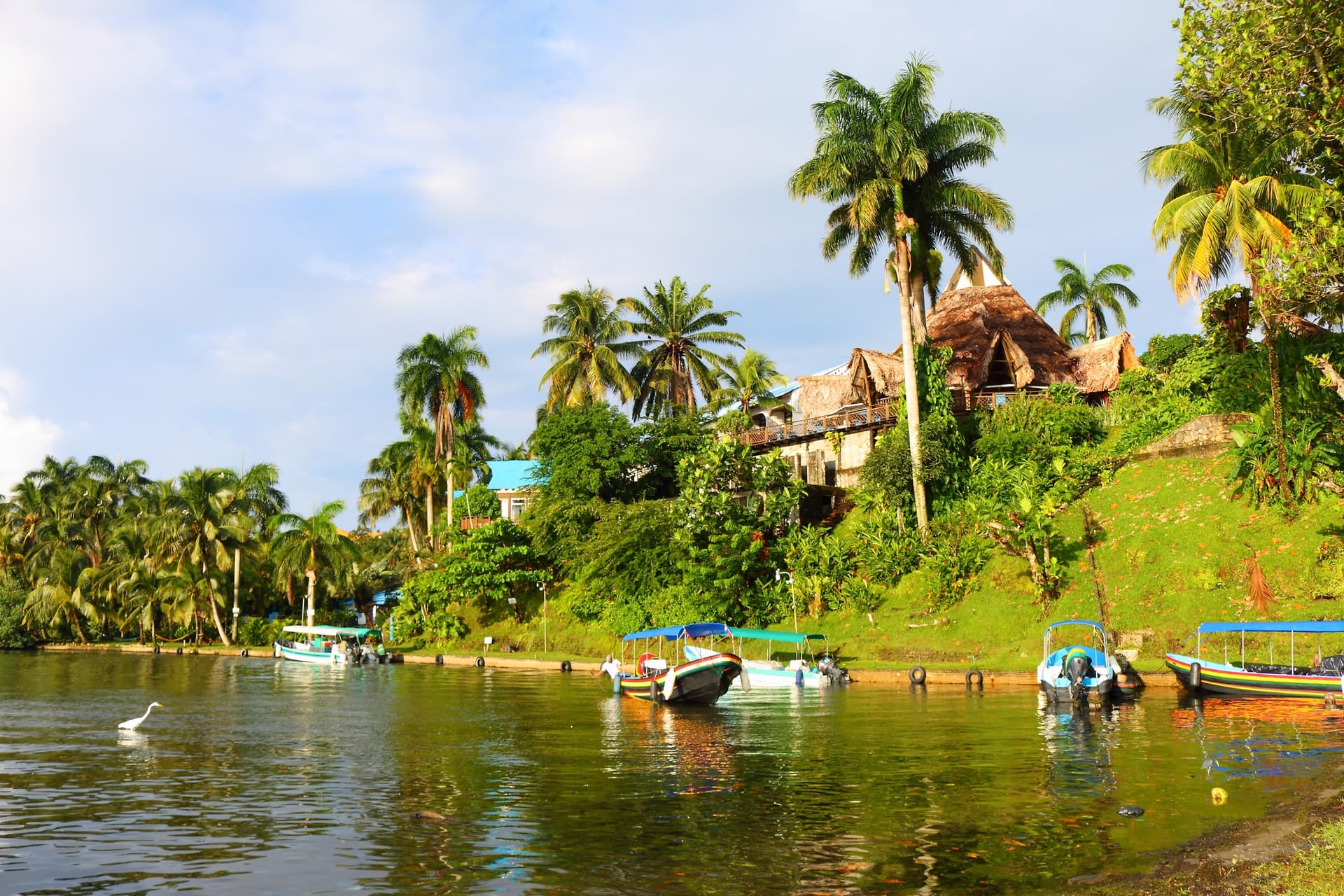
Located in the north of the country, Rio Dulce National Park stands along the eponymous river. Just barely 50 km long, the Rio Dulce originates in Lake Izabal, crosses Lake Golfete Dulce before joining the Caribbean Sea at the level of the town of Livingston.
As you might have gathered, the landscapes of Rio Dulce National Park are essentially aquatic. You will find lush forests dotted with natural pools, waterfalls, and mangroves. This important aquatic corridor serves as a refuge for countless wild animals. You may see manatees (particularly in the Chocón Machacas biotype), crocodiles, iguanas, otters, raccoons, turtles, and numerous birds (migratory and resident species).
Among other things to do and see in Rio Dulce National Park, you can traverse the canyon (by pirogue or kayak) and admire its vertiginous walls that harbor many birds, reach the hot spring Agua Caliente and enjoy its therapeutic benefits during a swim.
Finally, do not miss a visit to Castillo de San Felipe, a small fort built during the colonial era to protect the area from pirate attacks, as well as the town of Livingston, known for its Garifuna community whose descendants come primarily from African slaves, as well as indigenous Mayan Q'eqchi descendants.
Practical Information:
Hours: there are no set opening and closing hours for the park.
Admission fees: most areas of the park are accessible only by water. The price of the visit therefore differs from that of the activity and excursion chosen (kayaking, boat tour, etc.).
Pacaya Volcano National Park

Located 40 kilometers south of the capital Ciudad de Guatemala, Pacaya Volcano National Park is among the most popular destinations with visitors. For good reason—the park contains a natural jewel, Pacaya Volcano, one of the most beautiful volcanoes of Guatemala.
This colossus, standing at an altitude of 2,552 meters, is known for its spectacular volcanic eruptions, sometimes devastating as was the case in 1961. It is indeed one of the most active volcanoes in the Americas.
When its activity is calm, hiking is permitted to approach its crater and observe it more closely. An opportunity to enjoy breathtaking views of the region, particularly of the Agua Volcano and the Acatenango and Fuego volcanoes.
Offering spectacular landscapes, sometimes apocalyptic, sometimes verdant, the ascent of the Pacaya Volcano is one of the most sought-after hikes in Guatemala. Not only is the volcano easily accessible (from the capital or Antigua) but moreover, the ascent to the crater is quick and does not require being a great athlete. The trek is even suitable for children. Allow between 1 and 2 hours of walking depending on your fitness level.
Practical Information:
Hours: Monday to Wednesday, 7 a.m. to 10 p.m. and Thursday to Sunday, 4 a.m. to 10 p.m.
Admission fees: 100 Q per foreign tourist, 30 Q per domestic tourist.
Please note: ascending Pacaya Volcano must be done in the company of a local guide approved by INGUAT. Count 200 Q per guide for each group of 1 to 12 people.
Laguna Lachuá National Park

Once deserted and seldom visited due to difficult access and the civil war conflicts that ravaged the region, Laguna Lachuá National Park is today a cherished site among tourists seeking unspoiled nature.
Located in the municipality of Cobán, the park is primarily known for its eponymous lake. This lake is characterized by a circular shape, a depth of 220 meters, and a sulfurous odor. Its name, Laguna Lachuá, actually derives from a Q'eqchi word, "la chu ha," which means "foul water." In any case, its crystalline waters with turquoise reflections make it one of Guatemala's most beautiful landscapes.
To reach it, visitors take a 4.5-kilometer trail through a tropical forest where many wild animals live. To give you an idea, the park is home to 220 plant species and 210 animal species. You will find crocodiles, tapirs, agoutis, monkeys... It is also a favorite destination for birdwatchers with the presence of numerous hummingbirds, raptors (eagles, owls, etc.), Warbler species, and many others.
Once you reach the shores, visitors can find a visitor center and a camping area. Many trails allow you to explore the lake shores, and swimming areas offer the opportunity to immerse yourself in the lake. Be sure to follow all guidelines (swimming zones and hours) to avoid coming face-to-face with a crocodile!
Practical Information:
Hours: There are no set opening and closing hours for the park.
Admission fees: 50 Q for adults, 25 Q for children under 12.
Our tip: take the opportunity to discover Semuc Champey Natural Park located nearby. With its magnificent terraced pools, it is one of the most beautiful places in Guatemala.
Laguna del Tigre National Park

We conclude with a national park of no small significance, as it is both the largest central zone of the Mayan Biosphere Reserve (MBR), Guatemala's largest national park, and the largest protected wetland in Central America.
Located in the north of the country, Laguna del Tigre National Park contains numerous ecosystems: high forests, flooded savannas, marshes... In total, nearly 14 different ecosystems are found within the park.
Such varied landscapes form a refuge for numerous animal species including jaguars, pumas, howler monkeys, Baird's tapirs, Morelet's crocodiles, and many bird species such as red macaws, quetzals, and jabirus. You may encounter them during a hike or an outing on the Rio San Pedro river.
The park is also known for its pre-Columbian archaeological site: Waka-El Perú. This is a former capital of a Mayan city-state occupied roughly from 500 B.C. to 800 A.D. Many vestiges can still be found there today, including an imposing stepped pyramid that was used as a temple to the serpent god Quetzalcoatl.
Finally, the park is located near many villages where indigenous communities live, such as Pasa Caballos where the villagers are descendants of the Mayan Q'eqchi people.
Practical Information:
Hours: daily from 7 a.m. to 7 p.m.
Admission fees: as the reserve is managed by the Las Guacamayas Biological Station, the rate depends on the duration of your stay and the services you will need, including transportation, accommodation, meals, activities, and guide services.
Need help organizing your trip to Guatemala and planning excursions to national parks? Don't hesitate to contact us!
Frequently asked questions
The best time to visit Guatemala's national parks is the dry season, which runs from November to April. During this period, rainfall is rare, hiking trails are passable, and wildlife is more easily observable. Avoid the rainy season (May to October) for remote parks like Laguna del Tigre, as access roads can become impassable.
For Pacaya Volcano, a local guide approved by INGUAT is mandatory for any ascent. In parks like Tikal or Laguna Lachuá, a guide is not mandatory but strongly recommended to fully enjoy the wildlife, flora, and history of the sites. For Laguna del Tigre Park, a guide is essential due to the complexity of the terrain.
Pacaya Volcano National Park is the most easily accessible from the capital, located just 40 km south of Guatemala City. The ascent to the crater takes between 1 and 2 hours of hiking and is suitable for all levels, including children. Shuttles and excursions departing from Guatemala City and Antigua are available daily.
Yes, Tikal National Park is accessible for children. Entry is even free for children under 12. The site is large enough to require good physical fitness for a complete visit, but the main ruins are accessible in a few hours. Bring water, sunscreen, and comfortable shoes for the whole family.
Rio Dulce National Park is accessible from the town of Rio Dulce (or Fronteras) in northern Guatemala. You can reach the town by bus from Guatemala City or Flores. Once there, most areas of the park can only be visited by water, in a pirogue or kayak. Organized excursions are available from the town of Rio Dulce and from Livingston.
Yes, you can swim in Laguna Lachuá lake, whose crystalline waters with turquoise reflections are beautiful. Designated swimming zones and hours are set by the park and must be strictly observed for safety, particularly due to the presence of crocodiles in certain areas. Ask the park visitor center for information upon arrival.