Festivals and Celebrations Not to Miss in Guatemala
There's nothing quite like attending a traditional festival or celebration to immerse yourself in a country's culture and see it from a fresh perspective…
There's nothing quite like attending a traditional festival or celebration to immerse yourself in a country's culture and see it from a fresh perspective… So if you're traveling to Guatemala, here are all the celebrations you shouldn't miss for a unique experience with the locals!
Semana Santa (Holy Week) – April
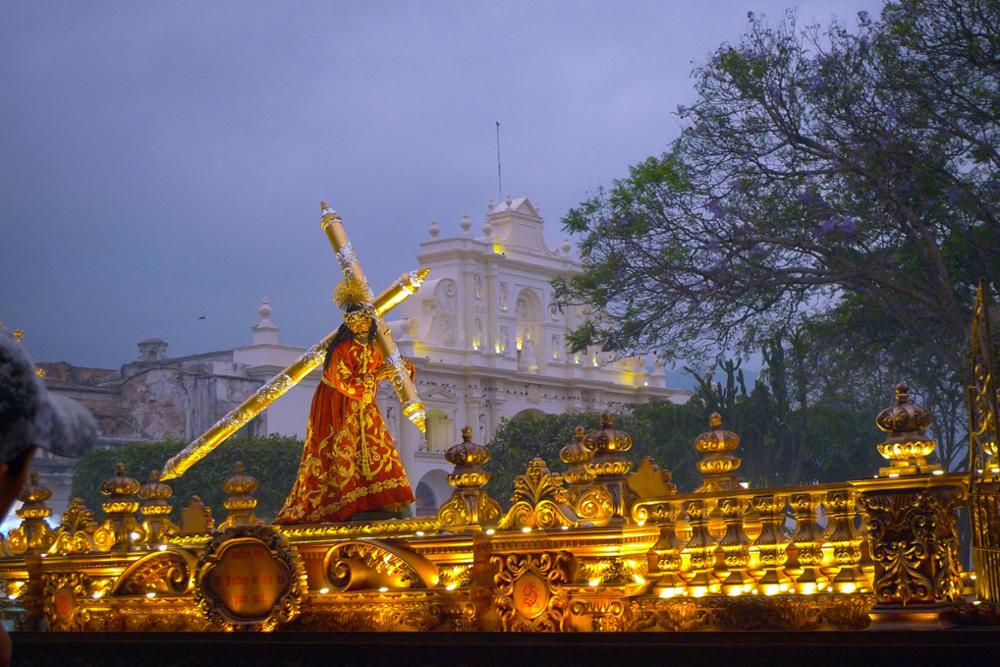
Semana Santa (Holy Week) is undoubtedly one of the most popular and important traditional religious celebrations in the country. Guatemalans eagerly anticipate this Christian festival with deep reverence. Processions take place throughout the country: streets are adorned with spectacular carpets made of flowers, colored sawdust and sand that welcome magnificent processions of intricately carved and decorated wooden floats representing biblical allegories.
While processions happen across Guatemala, they are particularly impressive in the cities of Antigua and Guatemala City. It's worth noting that in certain villages, Christian beliefs blend with pagan traditions, creating a joyful cultural fusion as seen in Chichicastenango and San Andres Xecul.
The Rabin Ajau Folklorific Festival – Late July
Also called the Rabin Ajaw Indigenous National Celebration or Cobán Folklorific Festival, this event is, in a sense, the national festival of Guatemala's indigenous peoples and the most important Mayan celebration in the country. It takes place each year during the final week of July in Cobán, featuring parades, traditional art exhibitions and numerous performances.
But what makes this event renowned throughout the country is the famous election of the Indigenous Queen "Rabin Ajaw" ("daughter of the king" in q'eqchi'). For this occasion, many young Mayan girls parade in their finest traditional costumes to compete for the title of Mayan princess.
Independence Day - September 15
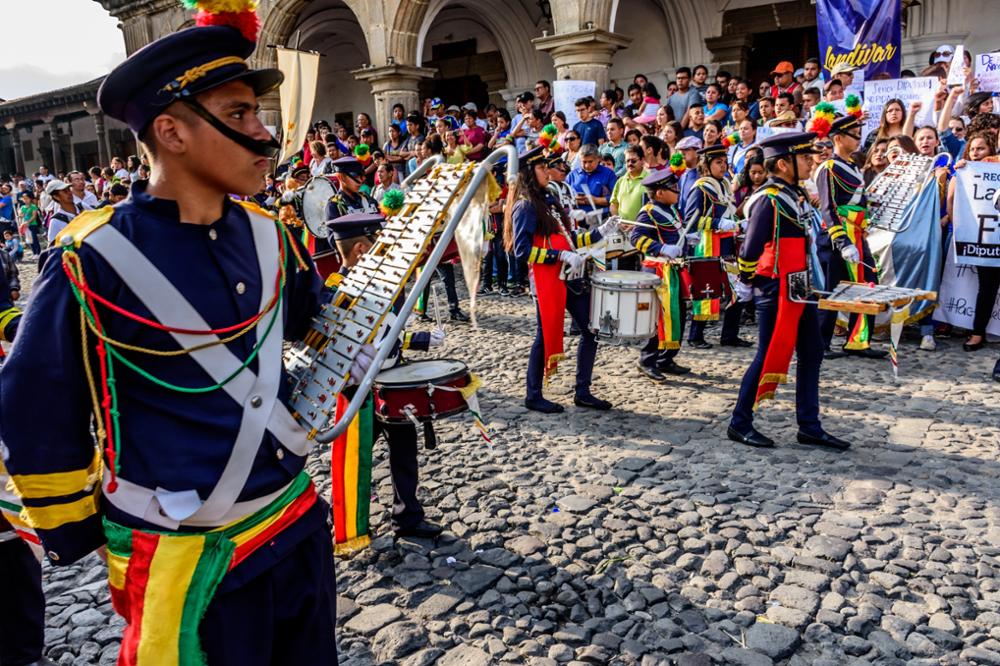
After nearly 300 years of Spanish colonial rule, Guatemala gained its independence on September 15, 1821. Since then, this important date in history has given rise to celebrations throughout the country. Independence Day is particularly celebrated in Quetzaltenango, where numerous outdoor concerts and bar performances take place.
El Día de los Muertos (Day of the Dead) - November 1
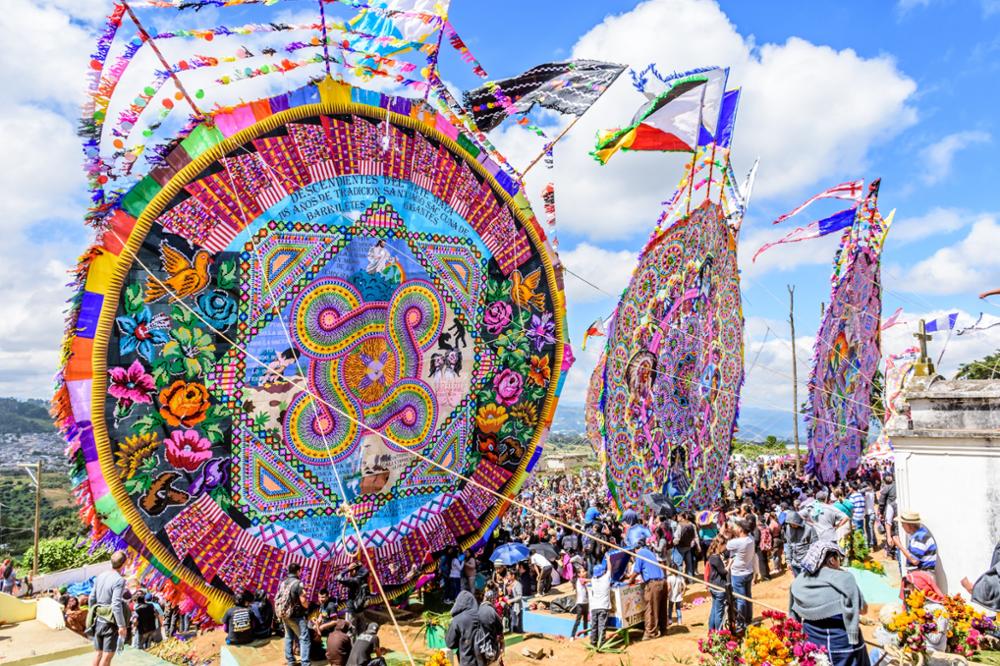
Unlike in many Western countries, Guatemalans celebrate All Saints' Day in a particularly joyful atmosphere. Indeed, "El día de los Muertos" (Day of the Dead) or "El día de Todos los Santos" (All Saints' Day) is an occasion for families to gather in cemeteries. Not only do they bring flowers, incense and offerings to the graves of the deceased, but they also take the opportunity to share a picnic.
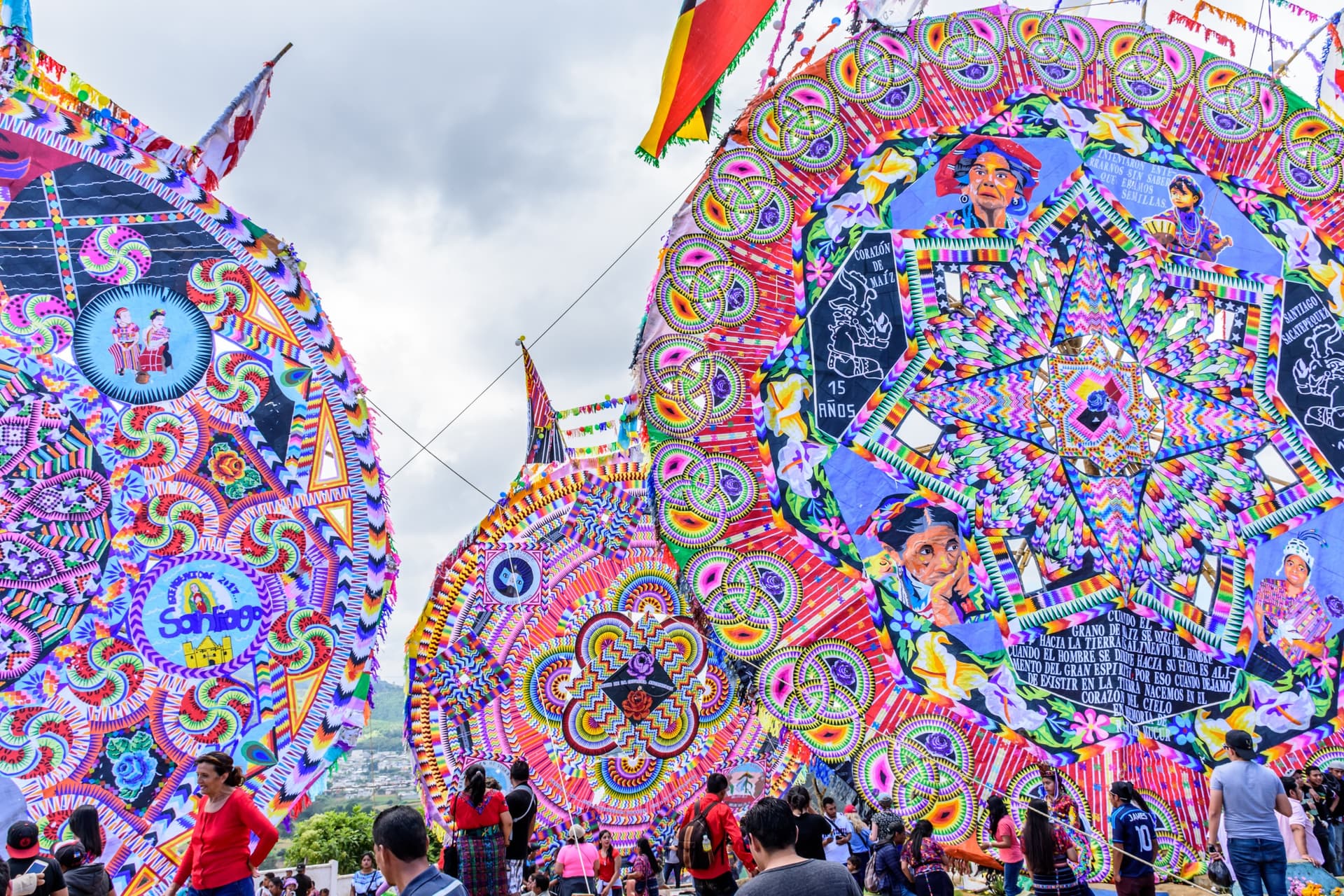
Beyond these family moments, the celebration gives rise to some of the most entertaining events, such as the giant kite festival in Santiago and Sumpango Sacatepéquez. Traditionally, kites symbolize sending messages to deceased loved ones and warding off evil spirits from graves. Today they are the subject of genuine competitions: the largest, the most beautiful design… In any case, seeing all these colorful and gigantic kites (some reaching over 50 feet in wingspan!) soaring over cemeteries is a spectacular sight not to be missed if you're traveling in Guatemala during this period!
While the Day of the Dead is celebrated with kite competitions in certain Guatemalan cities, it is an occasion in the village of Todos Santos Cuchumatán to witness a peculiar tradition. This is the "Carrera de las Ánimas" (Race of Souls), which brings villagers together for a horse race. However, be aware that if you're traveling with children, participants are often intoxicated and the race can be dangerous…
La Quema del Diablo – December 7
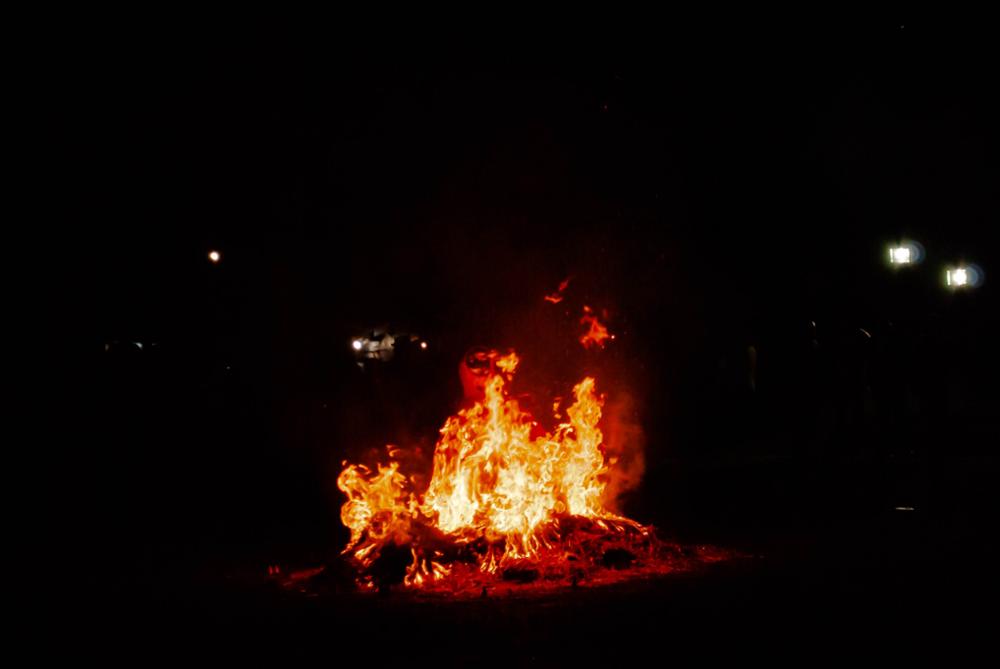
Here's another religious event worth experiencing if you're staying in Guatemala on December 7. Quema del Diablo is a popular celebration where locals perform spiritual cleansing. This tradition involves disposing of old objects as a way to purify themselves before Christmas festivities and rid themselves of negative energy. Locals throw into the streets a pile of old items such as newspapers and magazines, papier-mâché figurines representing the devil and any other object that might harbor evil, and then burn them. This great spiritual cleansing is also marked by dance performances, music and fireworks.
Guatemala's Patron Saint Festivals – Year-round
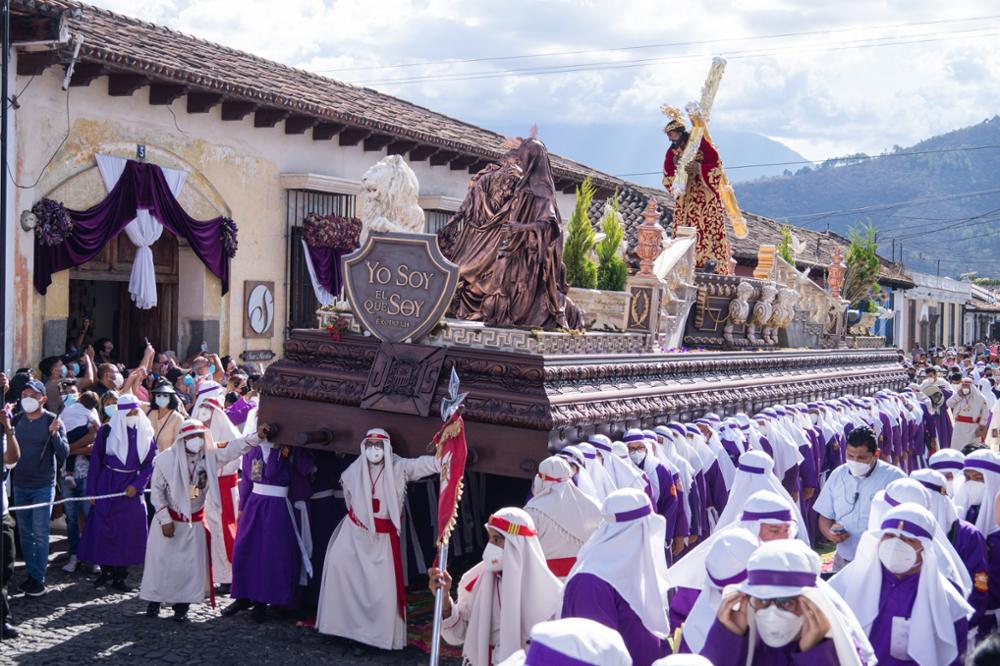
Guatemala has a very significant number of Catholic celebrations. They are called Catholic patron saint festivals and they take place throughout the year in each region of the country. These village celebrations honor the Patron Saints while also honoring Mayan culture and pre-Hispanic religions. For the occasion, Guatemalans don their colorful traditional costumes and engage in a series of street rituals: from dancing to flower-adorned processions.
There's always a festive atmosphere, and it's the ideal place to meet locals, sample typical dishes through the numerous food stalls and discover the country's culture from a different angle. As you can see, the Catholic patron saint festivals constitute wonderful experiences to absolutely experience during a trip to Guatemala.
So if you're planning a stay in Guatemala, here are some dates to note:
January and February: Feast of St. Paul in San Pablo La Laguna (Lake Atitlan),
February: Feast of Apollonia of Alexandria in Santa Apolonia; Feast of the Virgin of Candlemas in Rio Hondo (Zacapa),
March: Feast of St. Joseph in San Jose Poaquil (Chimaltenango),
April: Palm Sunday and Easter Sunday in Chichicastenango; Feast of the Holy Cross in Zaragoza (Antigua region),
May: Feast of St. Bernard of Siena in Patzún (Chimaltenango),
June: Feast of St. Anthony in San Antonio Palopó (Lake Atitlan); Feast of St. Peter in San Pedro Sacatepéquez (Antigua region),
July: Feast of St. Christopher in Totonicapan,
August: Feast of the Assumption in Sololá; Feast of St. Augustine in Sumpango (near Antigua),
September: Feast of St. Michael in Totonicapan,
October: Feast of the Virgin of Pilar in Zaragoza (between Antigua and Atitlan),
November: Feast of All Saints and All Souls in Sumpango (near Antigua); Feast of St. Martin of Tours near Quetzaltenango,
December: Feast of St. Catherine of Alexandria in Santa Catarina Palopó (Lake Atitlan), Feast of St. Lucy in Sololá (near Lake Atitlan).
Frequently asked questions
Guatemala celebrates festivals throughout the year. Semana Santa (April) and Day of the Dead (November 1) are the most spectacular events. If you want to attend the giant kite festival, plan your trip for early November in Sumpango or Santiago Sacatepéquez.
Semana Santa is the Catholic Holy Week, celebrated each year in April. It is particularly spectacular in Antigua and Guatemala City, where processions of carved wooden floats parade through streets adorned with carpets of flowers and colored sawdust. It is one of the country's most important religious celebrations.
Quema del Diablo (Burning of the Devil) takes place each year on December 7. This tradition involves burning old objects, newspapers and papier-mâché devil figurines in the streets to spiritually cleanse oneself before the Christmas holidays. The event is accompanied by music, dance and fireworks.
The Rabin Ajau festival, also called the Cobán Folklorific Festival, is the most important Mayan celebration in Guatemala. Held each year in late July in Cobán, it includes parades, craft exhibitions and the election of the 'Rabin Ajaw' ('daughter of the king' in q'eqchi'), the Indigenous Mayan queen.
Yes, Catholic patron saint festivals are open to everyone and provide an excellent opportunity to discover local culture. They take place year-round in different regions of the country. Remember to respect local traditions, ask permission before photographing locals in traditional costumes, and support local artisans.