Discovering Lake Atitlán and Its Volcanoes
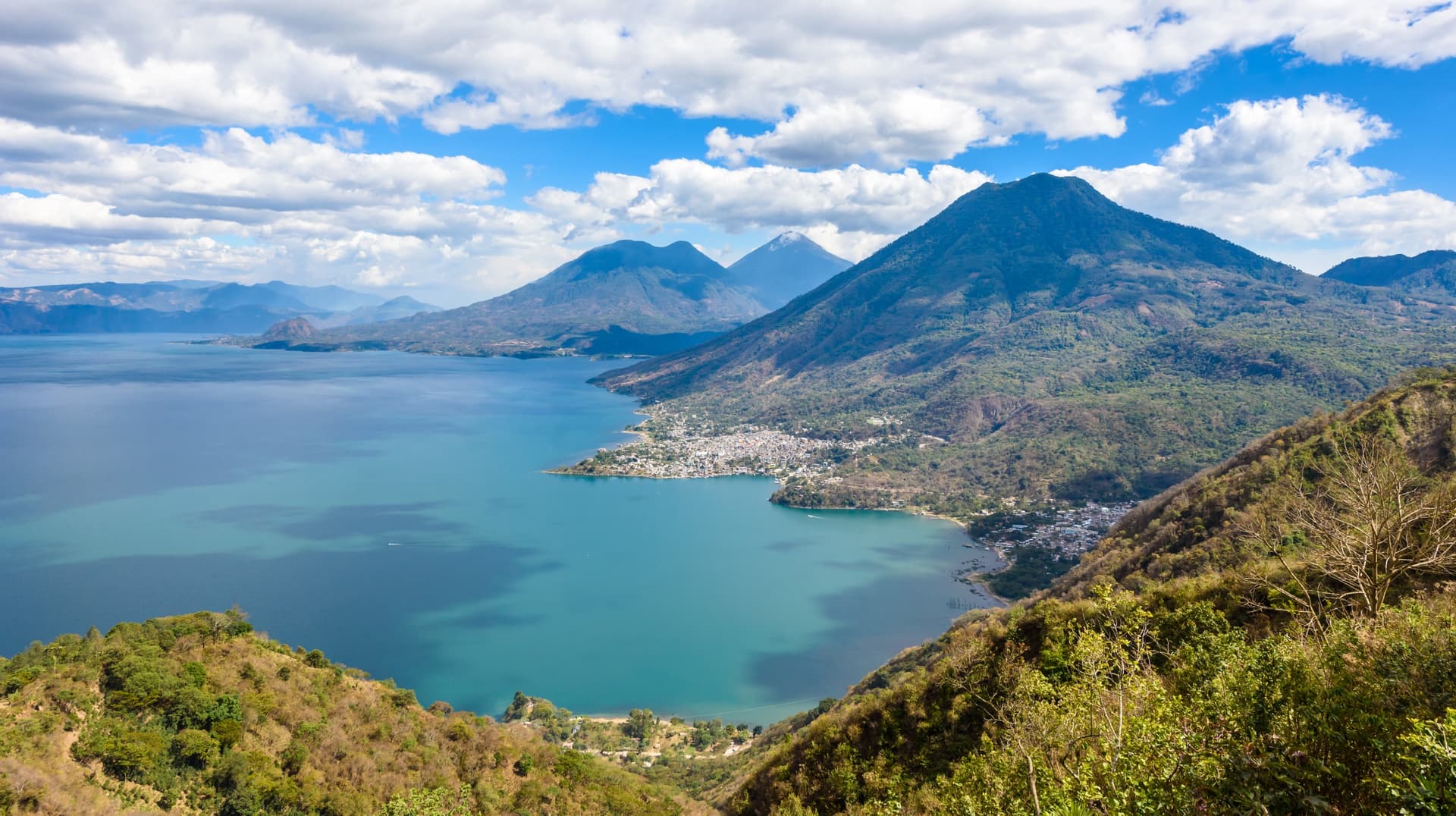
Lake Atitlán and its volcano are unmissable natural treasures in Guatemala. Situated alongside the San Pedro and Tolimán volcanoes, these giants of fire promise unforgettable treks
The Lake Atitlán and its volcano are natural treasures not to be missed in Guatemala. Located alongside the San Pedro and Tolimán volcanoes, these giants of fire promise unforgettable treks through the heart of volcanic landscapes. Between panoramic views and hiking through coffee plantations, discover the most spectacular ascents around the world's most beautiful lake – and its Mayan villages!
Lake Atitlán and Its Volcano
The Lake
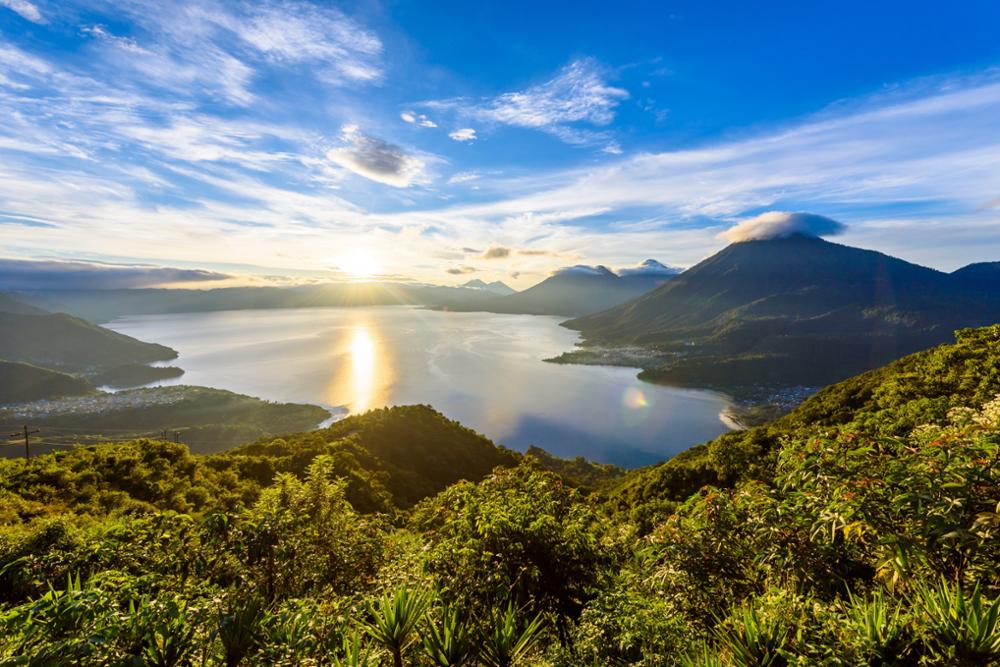
Located about a hundred kilometers from the capital, Lake Atitlán is a natural treasure nestled within a caldera (a vast circular crater), formed 84,000 years ago. Considered one of the most beautiful lakes in the world, it can be explored through swimming, kayaking, paddleboarding, or from solid ground by mountain biking, hiking, or climbing!
To visit the surrounding villages, board a lancha (one of the small traditional boats that ply the lake). Renowned for their craftsmanship, these small towns are still deeply infused with Mayan culture. For example, the Tzutujil and Cakchiquel ethnicities still wear traditional costumes.
The Volcano
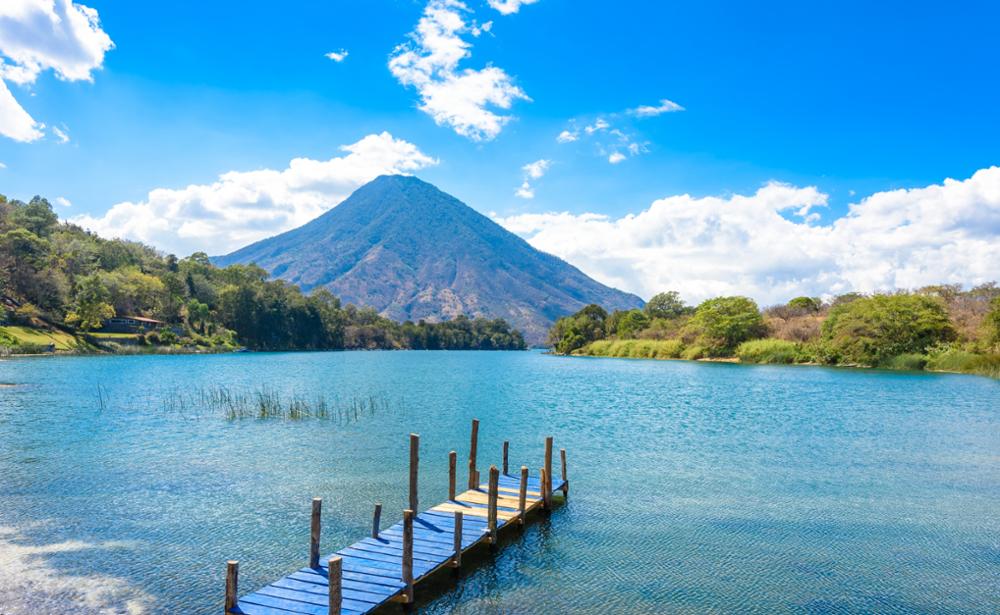
Perched at 3,537 meters above sea level, the Atitlán volcano sits on the edge of the caldera of its namesake lake. Renowned for its spectacular 360-degree panorama, this volcano is a paradise for trekkers. Covered in forests and lava flows, its ascent is quite steep and requires good physical fitness…
As you trek higher, you'll observe fumaroles and changing vegetation as you approach the volcanic summit. After approximately 5 hours of hiking, you'll finally reach the panoramic viewpoint and be able to admire splendid rugged landscapes.
San Pedro Volcano
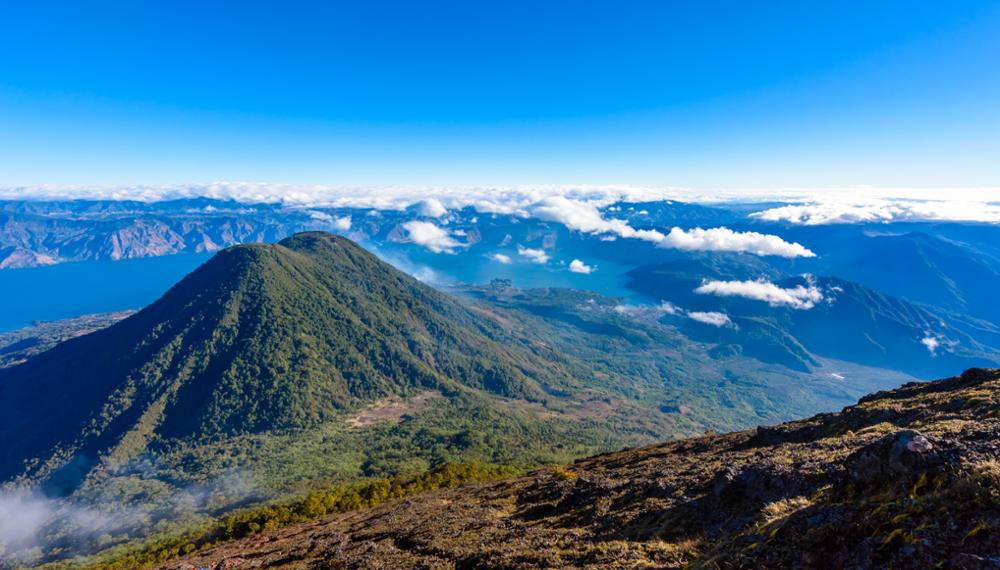
San Pedro is among the three volcanoes bordering the south of Lake Atitlán. Rising to 3,020 meters above sea level, it also offers incredible views. Suited to experienced trekkers due to its steep elevation gain (nearly 1,200 meters!), the hike is divided into two distinct sections and requires approximately 3 hours of climbing (and 1 hour 45 minutes descent).
The first section of the trail crosses coffee plantations and cornfields. The second, steeper section winds through forest. An opportunity to observe magnificent endemic birds (more than 230 species live around Lake Atitlán)! Craving adventure? A gigantic swing allows you to launch yourself into the void… Once at the summit, you can admire the Atitlán and Tolimán volcanoes.
Note: The trek departs from the village of San Pedro de la Laguna (remember to reserve your tuktuk the day before!). The volcano sits within a protected ecological park, with a paid entrance fee (€12).
Tolimán and Cerro de Oro Volcanoes
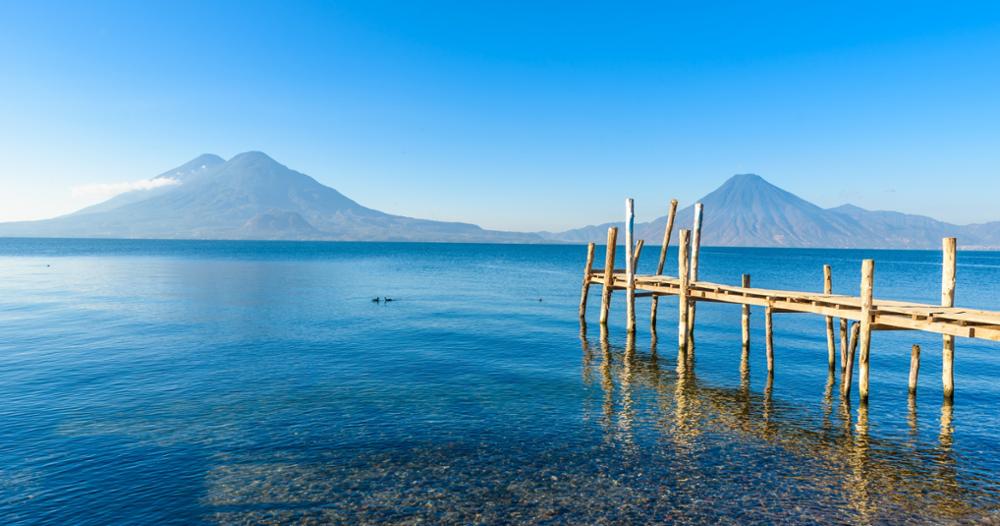
The Tolimán volcano rises to 3,158 meters above sea level, overlooking San Lucas Tolimán (a small village still relatively untouched by tourism, where the hike begins). To enjoy the exceptional view from the summit, you'll need to hike for nearly 6 hours – and 5 hours on the descent! A tip? Even for experienced trekkers, it's recommended to make the ascent with a guide.
For less experienced hikers, head to Cerro de Oro, 20 minutes' drive from San Lucas Tolimán. This small fishing village is home to its namesake volcano. Lower than the Tolimán volcano (1,892 meters), it's more accessible but remains an exceptional viewpoint over the lake and its volcanic landscapes!
The "Nose of the Indian" Hike
Located in the village of San Pablo, the "Nose of the Indian" trail owes its name to the nose-like shape visible in its contours. It's a fairly accessible hike through the jungle and cornfields that overlook the lake. Allow 2 hours of climbing.
The Nariz del Indio is also a magical spot for observing the first light of day, as orange hues bathe Lake Atitlán and the sleeping villages… Once the sun rises, you can admire the San Pedro, Atitlán and Tolimán volcanoes (and sometimes even the distant Fuego volcano).
The Village of Panajachel
Built on the northeastern shore of Lake Atitlán, the village of Panajachel offers an overview of the San Pedro, Tolimán and Atitlán volcanoes, while also allowing you to discover Mayan culture, preserved by the inhabitants. The Museo de Arqueologia Lacustre explains the history of the region and includes a section dedicated to the underwater life of the lake. Did you know a Mayan city was discovered 20 meters deep?
Approximately 35 minutes' drive from Panajachel, you'll find the village of Santa Cruz la Laguna. Nestled on the shores of the lake, this charming little town is equipped with numerous wooden walkways that offer a sense of serenity by the water.
Frequently asked questions
The best time to visit Lake Atitlán is the dry season, from November to April. The trails are more passable, the views from the summits are clearer, and the risk of torrential rains is limited. The rainy season (May to October) makes ascents more slippery and dangerous.
It is highly recommended, and sometimes mandatory depending on the volcano, to be accompanied by a local guide. Beyond safety on steep trails, local guides are familiar with the fauna and flora, and enable you to have an enriching experience. For the Tolimán volcano in particular, guides are strongly advised even for experienced trekkers.
To enjoy the main hikes around Lake Atitlán — Atitlán volcano (5 hours climbing), San Pedro (3 hours climbing), Tolimán (6 hours climbing) and Nariz del Indio (2 hours climbing) — plan at least 4 to 5 days. This will also give you time to visit Mayan villages and sail on the lake by lancha.
From Antigua, Lake Atitlán is accessible in approximately 2 hours 30 minutes by road (approx. 100 km) via Panajachel. Direct tourist shuttles are available daily. From Guatemala City, allow approximately 3 hours travel time. Panajachel is the main arrival point, from where lanchas depart to villages around the lake.
The trek on San Pedro volcano (3,020 m) includes a paid entrance to the protected ecological park which costs approximately €12. Add to this the transport from your accommodation to the village of San Pedro de la Laguna (remember to reserve your tuktuk the day before), and possibly the fees of a local guide.
The Nariz del Indio ('Nose of the Indian') is an accessible hike of approximately 2 hours climbing, departing from the village of San Pablo. Its name comes from the nose-like shape visible in its contours. It's a magical spot to observe the sunrise over Lake Atitlán and admire the San Pedro, Atitlán, Tolimán volcanoes and sometimes even the Fuego volcano in the distance.