San Juan Cotzal
San Juan Cotzal
San Juan Cotzal is an Ixil Mayan village in the highlands of Quiché, at the heart of the Ixil triangle. Embroidered textiles, a traditional market, and the pulse of a living culture—far from the beaten path.
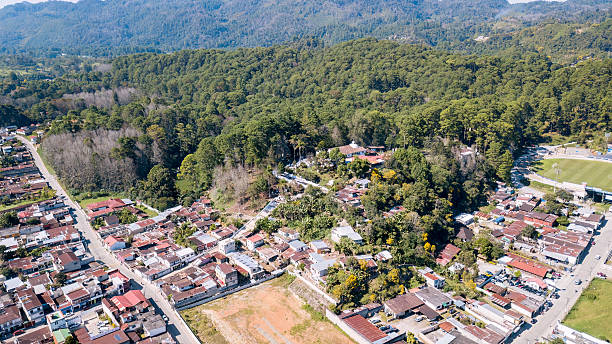
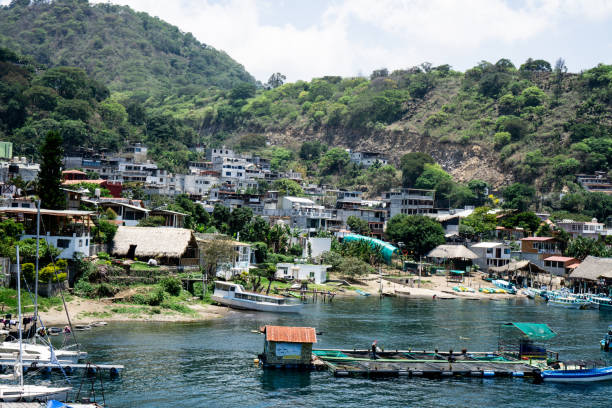
San Juan Cotzal is a small Ixil Mayan municipality nestled in the mountains of Quiché department, in northwestern Guatemala. Roughly 300 km from the capital, this rural town is part of the Ixil triangle—alongside Nebaj and Chajul—a region marked by vibrant culture, distinctive textile crafts, and a painful history tied to the armed conflict of the 1980s. The local market and the traditional dress of Ixil women make it an authentic stop for those venturing beyond conventional tourist circuits.
What to See
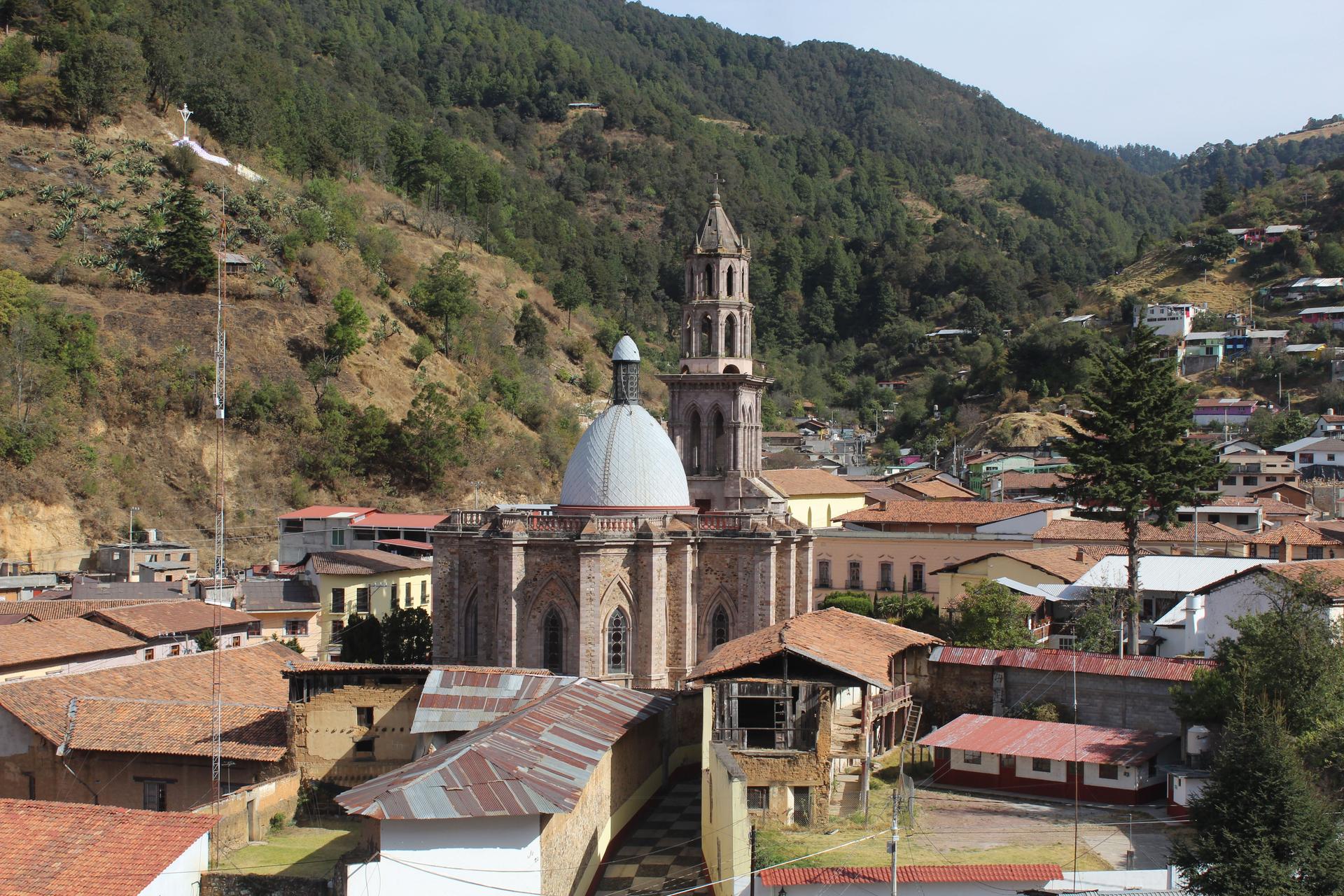
The village center revolves around a main square anchored by a white colonial church. The weekly market draws inhabitants from surrounding communities in traditional Ixil dress: the huipiles (embroidered blouses) with their distinctive geometric motifs are among Guatemala's most recognizable. The surrounding hills offer landscapes of pine forests and milpas (cornfields) typical of the Mayan highlands.
History and Context
The Ixil triangle was one of the areas most affected by Guatemala's civil war (1960–1996). San Juan Cotzal, like its neighbors, experienced massive population displacement. Today, historical memory projects and community tourism initiatives seek to honor this history while supporting the local economy. The Ixil language remains spoken daily, alongside Spanish.
Highlights of a Visit
The Traditional Market
Market day is the ideal time to observe local life. Women and men from neighboring hamlets exchange agricultural products, textiles, and household goods. It's the most direct opportunity to meet the Ixil community in their everyday rhythm.
Ixil Textiles
Weaver cooperatives throughout the region offer huipiles and belts woven by hand on backstrap looms. Each motif carries communal significance. Purchasing directly from artisans ensures fair income reaches them.
The Colonial Church
The church on the main square, in simple colonial style, blends Catholic practice with elements of Mayan spirituality. Local ceremonies, particularly those tied to the Mayan calendar, may take place here or nearby.
Etiquette and Visiting Guidelines
Photography: Always ask permission before photographing people, especially during ceremonies or at the market.
Church: Wear clothing that covers your shoulders and knees when entering the church.
Mayan Ceremonies: If you attend a ceremony, remain discreet and follow the guidance of participants.
Language: A few words in Ixil or Spanish are appreciated; English is rarely spoken.
Photography Tips
Morning light is softest on the main square and at the market. Textile colors stand out best on the cloudy days frequent at this altitude. Never photograph people without explicit consent—refusal must be respected without insistence.
Location and Access
San Juan Cotzal is located in Quiché department, approximately 20 km southeast of Nebaj via a mountain road. The main access is from Nebaj, the hub of the Ixil triangle, by microbus or shared pick-up. From the town of Quiché (Santa Cruz del Quiché), allow several hours of travel. Roads are paved for part of the journey but can be challenging during the rainy season (May–October). No direct transport exists from Guatemala City without a connection.
Nearby
Nebaj — capital of the Ixil triangle, vibrant market and starting point for hikes to Ixil villages.
Chajul — Ixil village renowned for its church and traditions, accessible from Nebaj.
Todos Santos Cuchumatán — another Mayan community in the Cuchumatanes, known for its distinctive men's costumes.
Frequently asked questions
The dry season (November to April) offers more passable roads and clearer skies. The rainy season (May to October) can make some mountain stretches difficult, though vegetation is lusher.
Microbuses and shared pick-ups connect Nebaj to San Juan Cotzal regularly throughout the day. The journey takes approximately 30 to 45 minutes depending on road conditions.
Yes. Weaver cooperatives operate throughout the Ixil triangle region. Buying directly or through a cooperative ensures income reaches the artisans.
Spanish is useful and widely understood. English is very rarely spoken. The local language is Ixil; a few polite words in Ixil are always welcome.
Lodging in San Juan Cotzal is very limited. Most visitors stay in Nebaj, which has several small hotels and hospedajes, and make a day trip.
Want to discover this destination?
Our local advisors design your tailor-made trip.