San Antonio Palopó
San Antonio Palopó
A tz'utujil Maya village with indigo houses on the eastern shore of Lake Atitlán. San Antonio Palopó stands out for its traditional textiles woven daily and unobstructed views of Tolimán and Atitlán volcanoes.
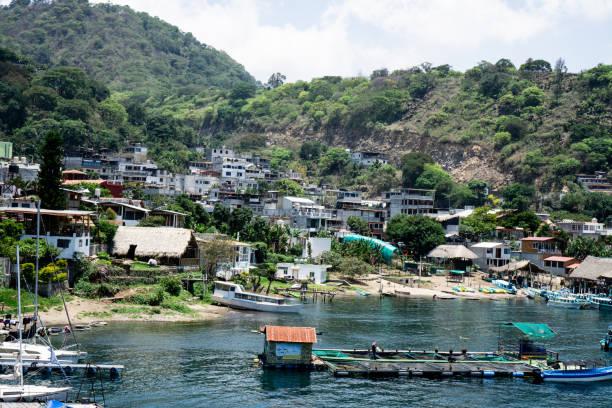
San Antonio Palopó is a tz'utujil Maya village clinging to the eastern shores of Lake Atitlán in Guatemala's highland plateaus. Less frequented than Panajachel or Santiago Atitlán, it distinguishes itself through its indigo and blue-painted facades, women in traditional huipils striped with blue and red, and terraced agricultural lands cascading down to the lake. This is a living village, not a museum: textile craftsmanship is a daily practice here.
Quick practical facts
Access: Water taxi (lancha) from Panajachel or Santa Cruz La Laguna; overland route from Panajachel via San Andrés Semetabaj.
Recommended duration: 2 to 4 hours for a leisurely village and market exploration.
Dress code: Modest attire recommended, particularly for entering the church.
Language: Tz'utujil and Spanish; little English spoken in the village.
What to see
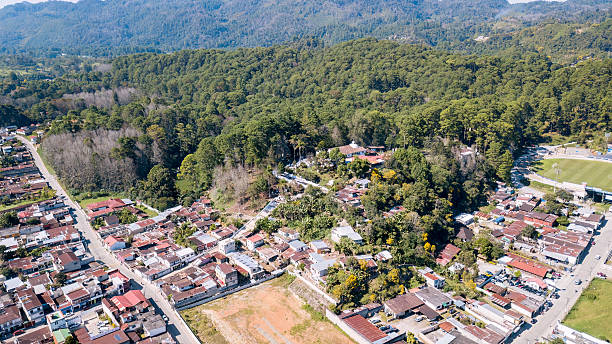
The village centers on a main plaza dominated by the colonial church San Antonio de Padua. Cobblestone alleys are lined with blue-painted houses—the village's emblematic color. Women weave on backstrap looms in front of their doorways. Agricultural terraces planted with maize and onions descend to the lake's edge.
History and context
San Antonio Palopó is a tz'utujil Maya community whose pre-Columbian roots predate the Spanish conquest of the 16th century. The colonial church, dedicated to Saint Anthony of Padua, stands as testament to Franciscan evangelization. The village has maintained its textile and vestment traditions with remarkable continuity, the local huipil remaining a powerful daily identity marker.
Highlights of a visit
Textiles and craftsmanship
San Antonio Palopó's fabric is recognized by its vertical blue-red stripes on white or indigo backgrounds. Cooperatives and family workshops sell directly to visitors. Watching the weaving on backstrap looms is a genuine experience, not a staged tourist performance.
The San Antonio de Padua Church
The colonial church on the central plaza dates to the Spanish era. Its austere facade contrasts with an interior where Catholic iconography coexists with Maya offerings. The plaza serves as a village gathering point, particularly animated on market days.
Views across Lake Atitlán
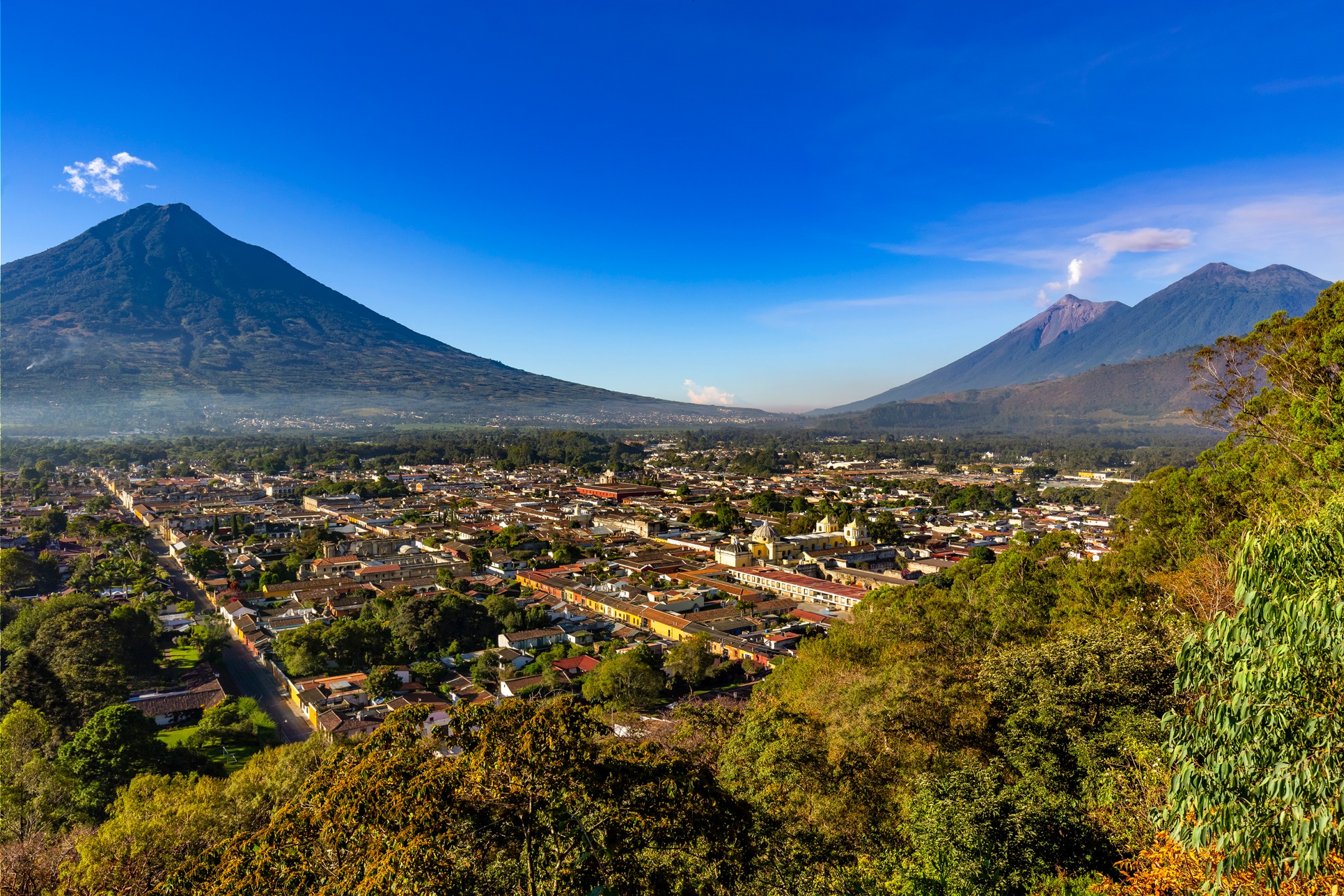
From the sloping alleyways or upper agricultural terraces, panoramic views across the lake and toward Tolimán and Atitlán volcanoes are unobstructed. Late-afternoon light bathes the lake waters in golden hues.
Visiting etiquette and rules
Always ask permission before photographing residents, particularly women and children.
Cover shoulders and knees when entering the church.
Avoid filming or photographing religious ceremonies without explicit consent.
Purchase directly from artisans rather than intermediaries to support the local economy.
Photography tips
Morning light is ideal for capturing blue facades without harsh shadows. Sloping alleyways offer natural framing with the lake as backdrop. Late afternoon light raking across agricultural terraces and water is particularly striking. Avoid flash inside the church.
Location and access
San Antonio Palopó sits on the northeast shore of Lake Atitlán, a few kilometers southeast of Panajachel. The water taxi is the most practical and fastest means from Panajachel. The overland route is passable but winding. The village is compact and entirely walkable. Wheelchair accessibility is limited due to cobblestone alleys on slopes.
Nearby
Panajachel — the main hub of Lake Atitlán, departure point for water taxis to all lakeside villages.
Santa Catarina Palopó — neighboring village renowned for vibrant-colored textiles and houses adorned with recent mural frescoes.
Santiago Atitlán — large tz'utujil Maya town on the southern shore, known for the Maximón cult.
San Juan La Laguna — artisanal village on the western shore, specialized in natural dyes and naïve painting.
Frequently asked questions
The water taxi (lancha) from Panajachel's dock is the most direct option. There is also a passable overland road accessible by tuk-tuk or car—longer but allowing views of the lake from the heights.
Yes. Women sell their weavings in front of their homes or in small family workshops. Buying directly ensures fair compensation and allows you to observe the manufacturing process.
The dry season (November to April) offers ideal conditions: clear skies, sharp volcano views, and passable alleys. During the rainy season (May to October), showers typically concentrate in the afternoons.
No. It is essential to ask permission before photographing anyone. Some residents may decline, and this must be respected without insistence.
Yes. One day allows combining San Antonio Palopó with nearby Santa Catarina Palopó and a return via Panajachel. Water taxis also connect to Santiago Atitlán or San Juan La Laguna in a single day.
Dining options are quite limited. A few comedores (local canteens) serve simple dishes. It is advisable to dine in Panajachel if you have particular preferences.
Want to discover this destination?
Our local advisors design your tailor-made trip.