Puerto Barrios
Puerto Barrios
Puerto Barrios, capital of Izabal on Guatemala's Caribbean coast, is the gateway to Livingston, the Río Dulce, and Lake Izabal. Its banana heritage, lively waterfront, and Garifuna cuisine make it an authentic stopping point.
Puerto Barrios is the capital of Guatemala's Izabal department, on the Caribbean coast. As the country's main Atlantic port, the city embodies Central America's banana-era history and serves as the gateway to Lake Izabal, the Río Dulce, and the beaches of Livingston. Its Caribbean atmosphere, Garifuna cuisine, and role as a logistical hub make it a practical stopover for exploring eastern Guatemala.
Practical Information at a Glance
Getting There: buses from Guatemala City (approximately 5–6 hours); ferries to Livingston from the municipal dock.
Dress Code: casual, with heat and humidity year-round — lightweight clothing recommended.
Suggested Duration: half a day to a full day, often in transit to the Río Dulce or Livingston.
Safety: stay in tourist areas and the town center; avoid isolated nighttime travel.
What to See
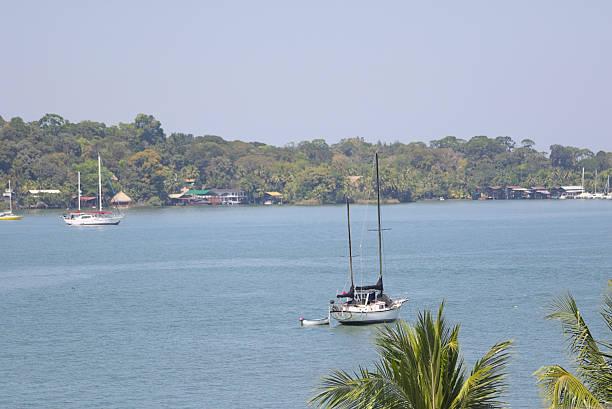
The waterfront and municipal dock offer direct views over Amatique Bay. The central market reflects the region's cultural blend: Garifunas, Q'eqchi's, and Ladinos coexist here. A handful of painted wooden buildings recall the Caribbean colonial architecture inherited from the United Fruit Company. The central plaza, lively in the evening, forms the social heart of the city.
History and Context
Puerto Barrios was founded in the late 19th century to export bananas to the United States. The United Fruit Company established its railway and port infrastructure here, shaping the region's economy and urban geography for decades to come. This legacy still weighs on the area: abandoned railway tracks and warehouses bear witness to that era. The city later ceded some of its traffic to the neighboring port of Santo Tomás de Castilla.
Key Highlights
The Dock and Amatique Bay
The municipal dock is the departure point for lanchas heading to Livingston and the Río Dulce. Early morning brings the authentic bustle of fishermen and boatmen. The bay, framed by tropical vegetation, offers a serene panorama before the day's activity takes hold.
Garifuna Cuisine
Waterfront restaurants serve tapado — a coconut-milk seafood soup — the emblematic dish of Garifuna culture. Markets also offer pan de coco and grilled fish. This is one of the best introductions to this cuisine before moving on to Livingston.
The Central Market
Bustling each morning, the market brings together local farmers and artisans. You'll find tropical fruits, spices, and Q'eqchi' crafts. The sonic landscape — Spanish, Garifuna, Q'eqchi' — illustrates Izabal's ethnic diversity.
Photography Tips
The golden morning light on Amatique Bay offers the best window for photographing the dock and boats. The central market is photogenic early, before crowds arrive. Always ask permission before photographing people — discretion is appreciated.
Location and Access
Puerto Barrios sits at Guatemala's eastern tip, on the Caribbean coast. Highway CA-9 connects the city to Guatemala City. The bus terminal is centrally located. Santo Tomás de Castilla port adjoins the city to the south. Regular lanchas serve Livingston and travel upriver on the Río Dulce. Wheelchair accessibility remains limited in port areas and the market.
Nearby Attractions
Livingston — Garifuna village accessible only by boat, the cultural heart of Guatemala's Caribbean coast.
Río Dulce — spectacular tropical gorges linking Lake Izabal to the Caribbean Sea.
Lake Izabal — Guatemala's largest lake, surrounded by tropical forest and historic sites.
Castillo de San Felipe — Spanish colonial fortress at Lake Izabal's entrance, reached from Puerto Barrios by lancha.
Frequently asked questions
Most travelers stop here for half a day to catch a lancha to Livingston or the Río Dulce. An overnight stay can be useful if you arrive late from Guatemala City.
Shared lanchas depart from the municipal dock several times daily. The crossing takes about 30 minutes. There is no road link between the two towns.
The Caribbean coast is humid year-round. The relatively dry season runs from March to May. Avoid September–October, when rainfall is heavy and cyclone risk peaks.
Yes, several waterfront restaurants serve tapado and other Garifuna specialties. The selection is wider in Livingston, but Puerto Barrios offers a solid introduction.
The center and dock are well-traveled and relatively safe during the day. Avoid outlying neighborhoods and solo nighttime travel. Check with your local agency before arrival.
Want to discover this destination?
Our local advisors design your tailor-made trip.