Panajachel
Panajachel
Gateway to Lake Atitlán, Panajachel blends Mayan craftsmanship, vibrant alleyways and direct access to Tz'utujil and Kaqchikel villages.
San Francisco Panajachel is a small town built on the northeastern shore of Lake Atitlán. Founded during the colonial period, it is home to a beautiful museum centered on Mayan culture and a historic church dating back to the town's founding.
Its surroundings make Panajachel one of the defining destinations on a Guatemala journey. Tourists from around the world flock here to discover its renowned lake, explore its natural reserve, or hike through the mountains and volcanoes of the region.
History
Before the colonial period, the region had been occupied by two major Mayan tribes: the Kaqchikel and the Tz'utujil. These rival clans were in perpetual conflict.
When the conquistadors arrived near Lake Atitlán, the Kaqchikel offered their assistance to invade the region and decimate the Tz'utujil. The Spanish accepted their proposal and crushed the Tz'utujil. However, the Crown turned against the Kaqchikel and demanded a heavy tribute. The Mayans refused and were subsequently enslaved.
The village of Panajachel was founded a few years later by Franciscan friars. They settled near a river and sought to evangelize the 1,800 inhabitants living in the surrounding area. The town grew over the years, witnessing independence and liberal reform.
It was not until 1960 that this small municipality was rediscovered and truly appreciated. The beauty of its surroundings made it the most coveted destination in the entire country. Tourists arrived in great numbers to visit the community and discover the nature surrounding it. Later, numerous hotels were built to meet the soaring demand.
Panajachel Today
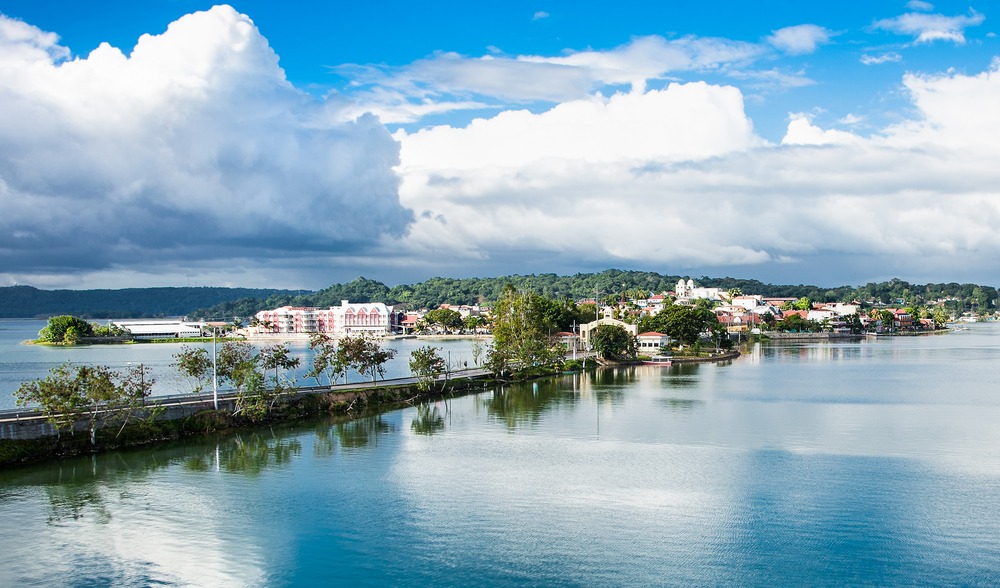
Overall, Panajachel evokes a lively village with Mediterranean charm. Most of its buildings appear to have been constructed relatively recently. Each house stands distinct from its neighbors. Red tuk-tuks navigate its narrow streets and readily stop at any moment to pick up passengers.
Numerous souvenir shops line the Calle Santander district. Merchants here sell clothing, household items, and above all, colorful and distinctive artisanal objects. A stroll along Campanario Street reveals the town's first church, the Iglesia San Francisco de Asís. Built in 1567 in pure Spanish colonial style, it has withstood the test of time and survived the storms that have struck Panajachel.
The Museo de Arqueología Lacustre allows visitors to immerse themselves in Mayan culture. Its galleries display numerous ancient pottery pieces and a model of the region. You learn that Lake Atitlán was an important Mayan sacred site. Pilgrims from across the empire came here to offer prayers to their gods. They notably built a temple on a small island in the middle of the lake, Samabaj. Suddenly submerged beneath the waters, this Mayan Atlantis was considered a connection point between Heaven, Earth, and the Underworld.
Further afield, outside the town, Reserva Natural Atitlán reveals the richness of Guatemalan nature. Through its hiking trails, visitors discover magnificent waterfalls, cliffs, spider monkeys, and white-nosed coatis. Its suspension bridges and the famous Monkey Observation Platform are pure wonders. Its Mariposas section houses a remarkable variety of butterflies, such as Heraclides and Morphos that flutter more than thirty feet above the ground on beautiful flowers. The more adventurous can try exhilarating zip-lining or camping.
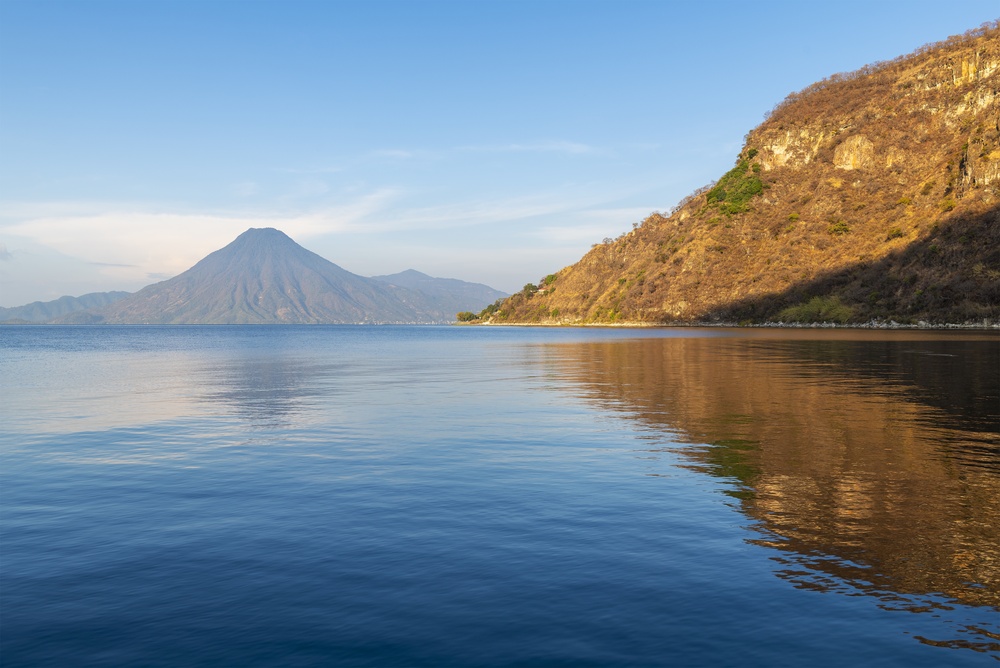
Visiting Panajachel also means encountering Lake Atitlán. The landscape seen from its shores is sublime. The clear waters, lush nature, and impressive mountains are simply magnificent.
Climate
The town enjoys a highland tropical climate. The average temperature is 64°F (18°C). The rainy season extends from May through mid-November, with lighter rainfall between December and March.
To reach Panajachel, simply take a regional bus from the bus terminal in Antigua or Guatemala City. The journey takes approximately three hours to cover the 31 miles separating the two municipalities.
Tuk-tuks can take you anywhere in town and its surroundings for about 10 Quetzales per person. To cross the lake, you can board a lancha at Tzanjuyú port.
Want to discover this destination?
Our local advisors design your tailor-made trip.