Antigua
Antigua
A former colonial capital and UNESCO World Heritage site, Antigua unfolds its ruins, convents and volcanoes 45 km from Guatemala City. Our complete guide.
Located 45 kilometers west of Guatemala City, Antigua ranks among Guatemala's most sought-after tourist destinations. Founded in 1543, the city's entire architecture evokes the 16th century.
The beauty of its stone-paved streets, picturesque urban landscape and numerous period buildings earned it UNESCO World Heritage status in 1979.
Several buildings were destroyed by earthquakes in the 18th century. Their remains lend a unique charm to this former capital of the Kingdom of Guatemala.
History
Before the Spanish arrived, the entire region was inhabited by various Maya peoples. Among them, the Kaqchikel kingdom had chosen to establish its capital at Iximche, near present-day Chimaltenango.
After conquering the surrounding areas, the conquistadors wanted to establish the capital of their new colony here in 1527. Following a Kaqchikel uprising, they were forced to relocate the capital near the city of Ciudad Vieja. This time, the Agua volcano erupted and a lava flow devastated the region, forcing the Spanish to move their capital once again.
They chose a valley a few kilometers away. On March 10, 1543, they founded the city of Santiago de los Caballeros de Guatemalas, present-day Antigua Guatemala. The new city quickly became known throughout the kingdom as the third most beautiful city in the Spanish Indies. It was surrounded by lush nature, impressive mountains and beautiful hills.
In 1549, it became the center of the colony's military administration, before becoming the capital of the Kingdom of Guatemala. In 1558, several buildings matching the city's new status began to rise: private residences, public buildings and gigantic churches. Several priests also built infrastructure to aid the Maya and the underprivileged.
Over the years, the city suffered numerous earthquakes, especially between the 16th and 18th centuries. The 1717 quake left it half-destroyed. The 1773 earthquake proved far more devastating, leading to the beautiful city's ruin.
Spanish administration then decided to move the kingdom's capital to a safer location, present-day Guatemala City. Prestigious buildings were thus abandoned. But some residents, attached to their land, decided to stay and rebuild the city.
Antigua Today
With its numerous tile-roofed houses, shrubs planted along roadsides and stone-paved streets, Antigua resembles a vast countryside village. Every building respects colonial architecture of yesteryear. Each has a story to tell. Accompanied by a good guide, discovering these buildings amounts to stepping back into Guatemala's past and seeing its landscape at the dawn of the 17th century.
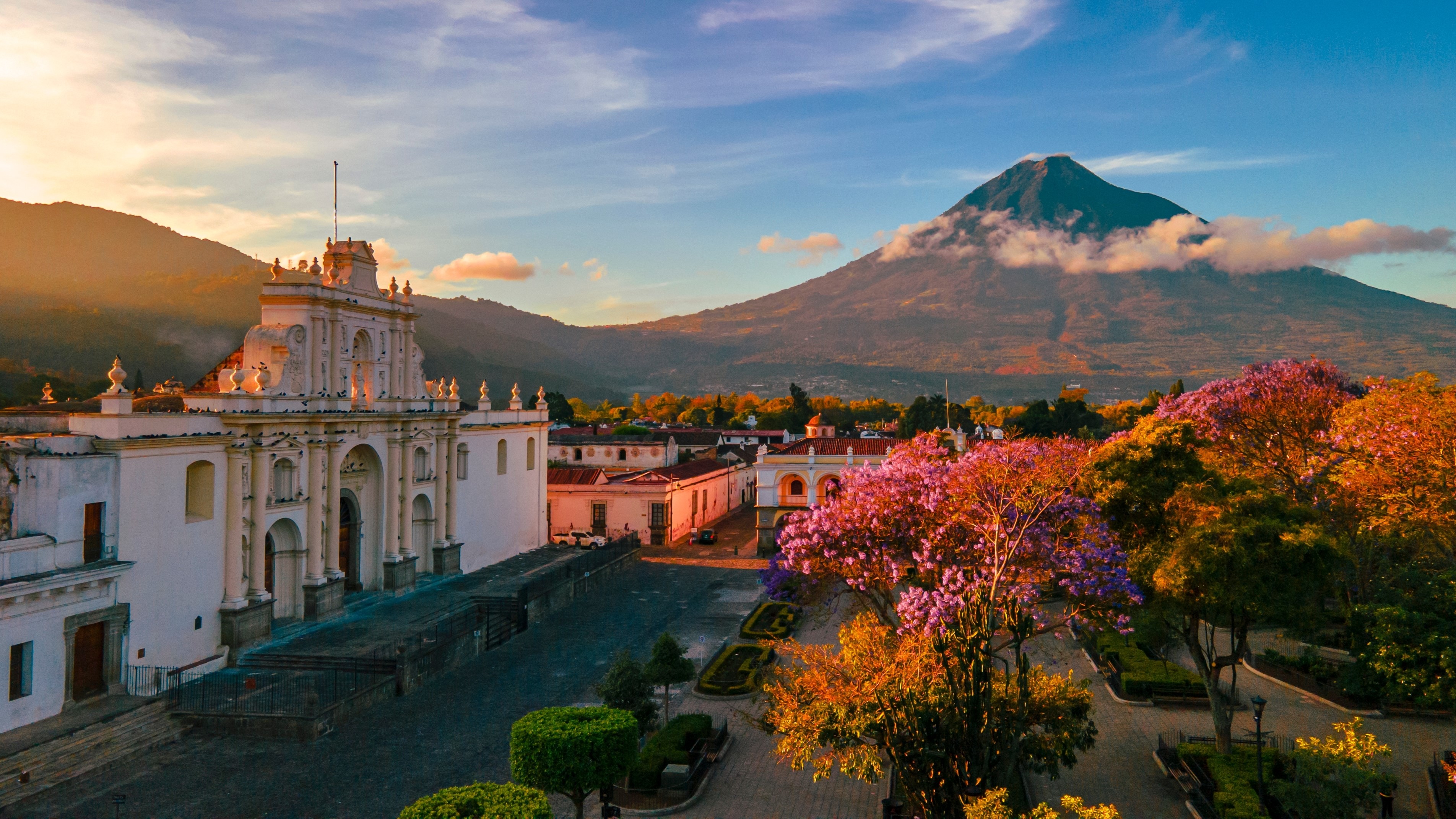
The Parque Central, a vast space nestled in the heart of the city, is the ideal place to enjoy the scenery and contemplate surrounding monuments. To the north, for example, you can admire the Museo del Libro Antiguo. A few meters away stands the Catedral San Jose. Inaugurated in 1680, it boasts a beautiful Baroque façade and magnificent interior with a grand gilded retable. Taking another exit leads to a small alley toward the ruins of the former Primada de Santiago de los Caballeros cathedral. Walking between its columns gives you a sense of the size and splendor it must have enjoyed during the colonial period. Facing the Catedral San Jose, the Museo de Arte Colonial showcases a fine period building and a wonderful interior courtyard.
The Palacio de los Capitánes Generales, standing south of Parque Central, is a grand yellow building founded in 1558. Inside, the Santiago museum houses an impressive collection of colonial-era objects: artifacts, fine furnishings and weapons. The same building also contains the tourism office, the prefecture and the old book museum.
West of the park, the Convento Compañía de Jesús was once an important religious complex. It was renowned as one of the country's most illustrious training centers. Many of its buildings, destroyed by the 1773 earthquake, have been beautifully restored.
Heading due north on 5th North Avenue, you pass the Choco Museo, a shop entirely dedicated to the country's chocolate and souvenir sales. Continuing up the same street, you reach the famous Calle del Arco where one of the city's postcard-worthy landmarks stands: the Arco de Santa Catalina. Many tourists love taking photos here to mark their visit to Antigua.
Continuing down the same street, you emerge onto a large plaza dominated by the Iglesia de La Merced. Its immense façade is truly impressive, especially during festival season. Strolling through its monastery ruins, you discover a gigantic 16th-century fountain.
Heading west from the Iglesia de La Merced along 6th North Avenue, you arrive at the ruins of Convento la Recolección. This 18th-century convent is also in ruins. Its former corridors entirely covered in beautiful lawn impart an surprisingly soothing feel. This place is simply magnificent.
At the other end of the city stands another major Antigua attraction, the Convento Capuchinas. Mystery seems to hover over this former convent. The ruins of its church, corridors, porticoes, interior courtyard and beautiful garden suggest the setting of an adventure film.
The former capital of the Kingdom of Guatemala brims with numerous other monuments waiting to be explored. Among them: the Convento de Santa Clara, the Monasterio de Santo Domingo, the ruins of the Iglesia de la Concepción and the vestiges of San Jeronimo. You should also visit the Iglesia San Francisco, the city's very first cathedral, then admire the Renaissance façade of the Iglesia Escuela de Cristo and contemplate the Guatemalan Baroque architecture of the Iglesia Nuestra Señora del Carmen.
By taxi, you can explore the city's surroundings, particularly the Cerro de la Cruz. A monument representing the Cross of Christ stands atop this hill. Beyond it lies a panoramic view of the city. In the distance, you can see the impressive Volcán de Agua, Antigua's ancient terror. Heading in that direction leads to the municipality of Santa María de Jesús. From there, you can attempt the ascent of this great volcano. This adventure lets you discover the surrounding nature and enjoy sweeping views across nearly the entire region. From there, the city appears merely a heap of white and red gravel. At the summit, the crater floor forms a natural basin. Its rocky landscape, beautiful lawn and sparse trees lend a certain serenity to the place.
Climate
Antigua enjoys a temperate climate. Temperatures in the region typically range between 12 and 25°C. The rainy season begins in May and ends around October. The ideal time for a vacation extends from December to March, when rainfall is less frequent.
To reach Antigua, simply take a taxi or Uber from Guatemala City. The fare typically ranges from 150 to 300 Quetzals. Tourist coaches are among the safest means to get there.
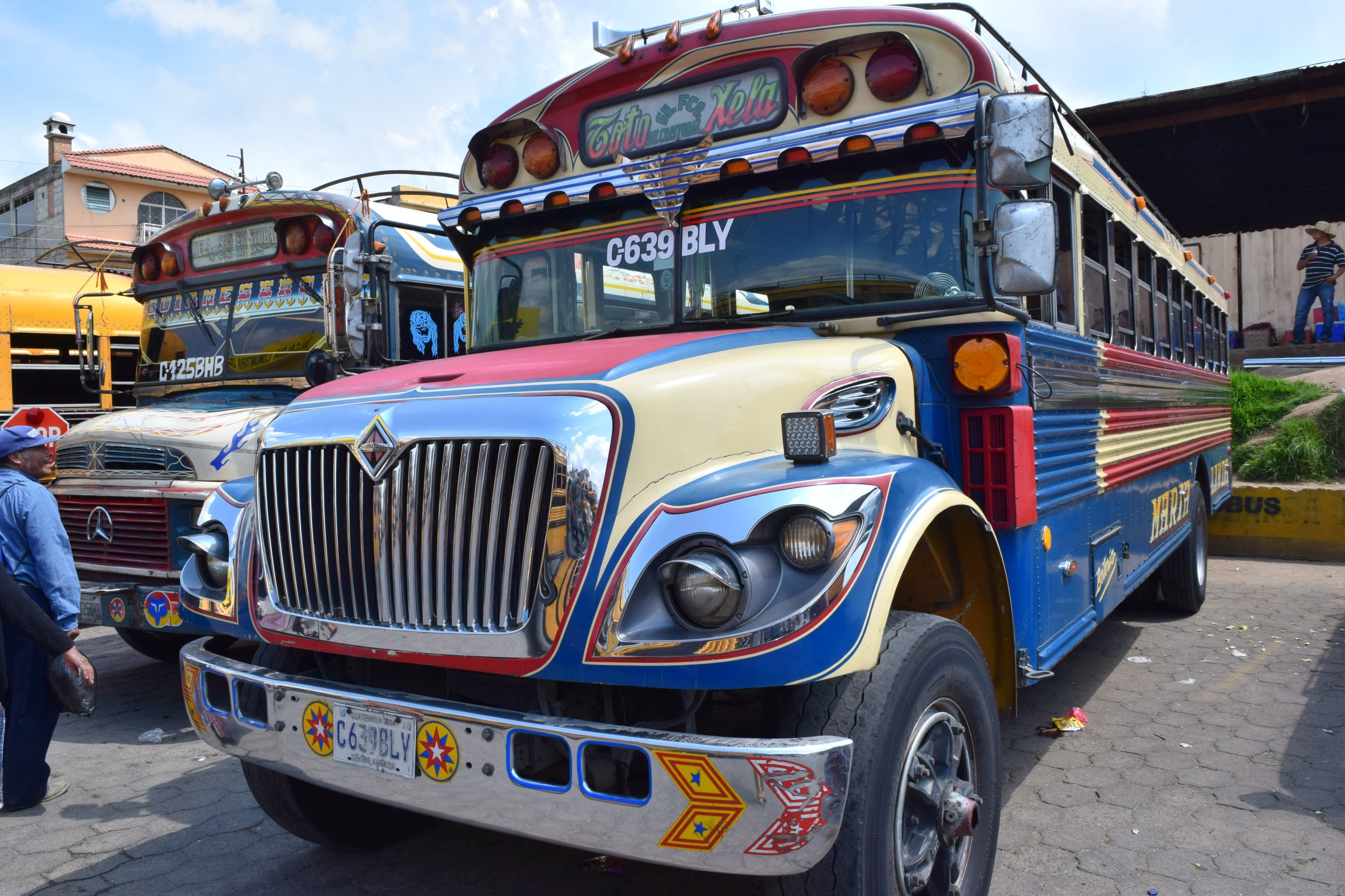
Tuk-tuks and Chicken Buses cost considerably less. However, for safety reasons, they are not recommended for tourists.
In Antigua, you can choose between a tuk-tuk, taxi or bus. A ride costs respectively 10 Quetzals, 20 to 35 Quetzals, and 3 Quetzals.
Attractions in Antigua
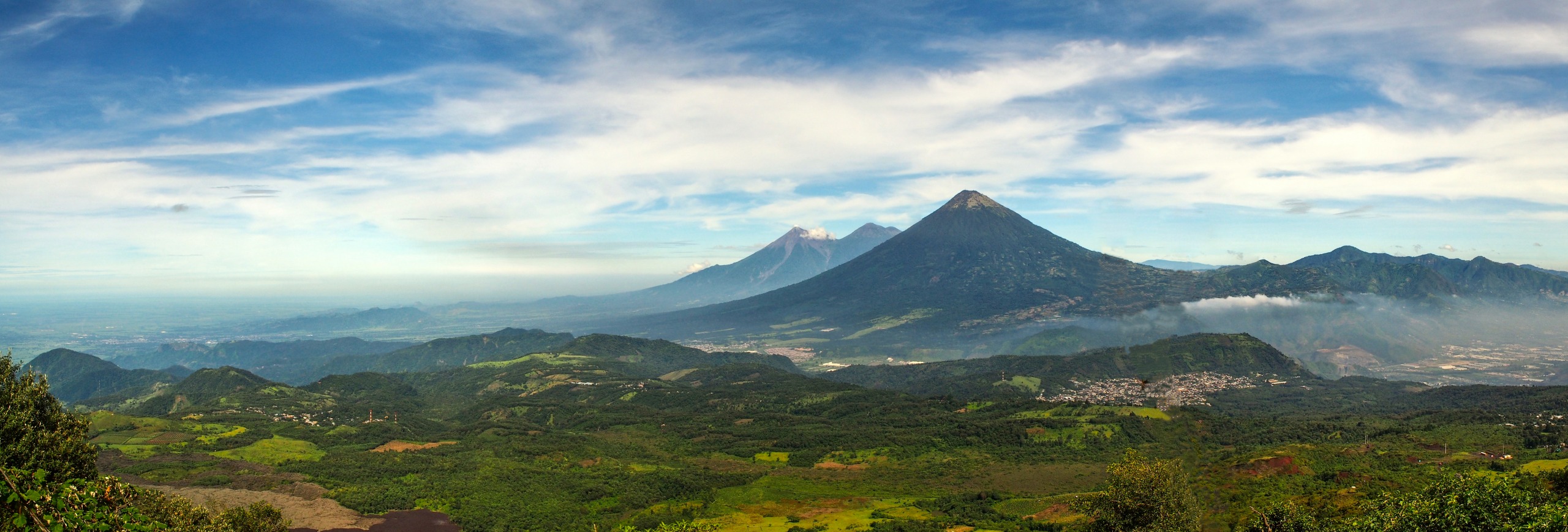
Le volcan Pacaya
À 40 km de Guatemala City, le volcan Pacaya offre une ascension accessible sur d'anciennes coulées de lave, avec vue sur les volcans voisins.
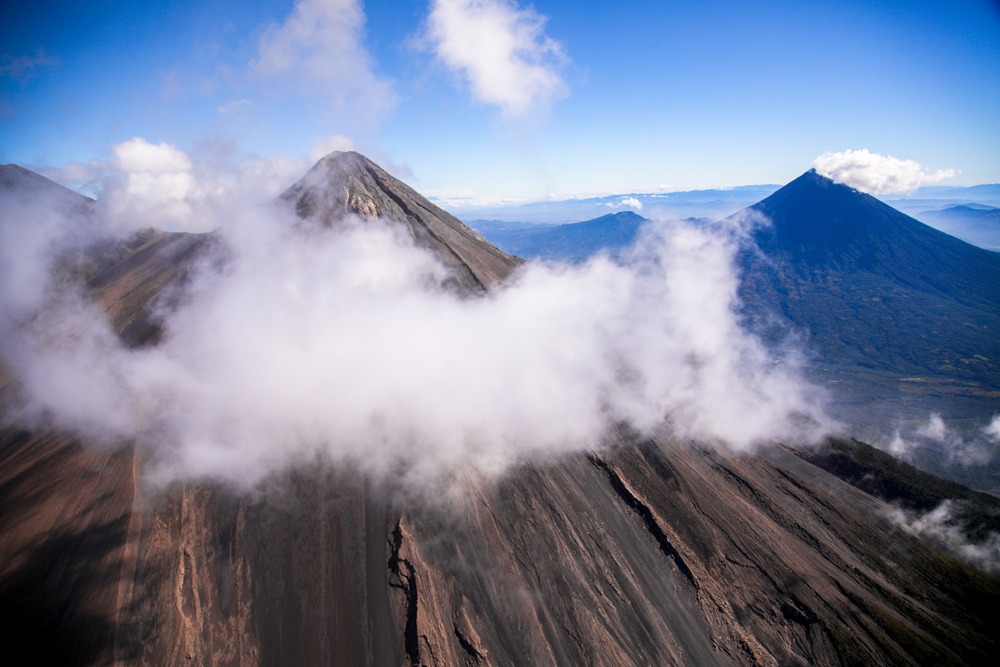
Les volcans d'Acatenango et Fuego
Près d'Antigua, l'ascension de l'Acatenango (3 976 m) en deux jours offre un bivouac d'altitude face aux éruptions du volcan Fuego voisin.
Want to discover this destination?
Our local advisors design your tailor-made trip.